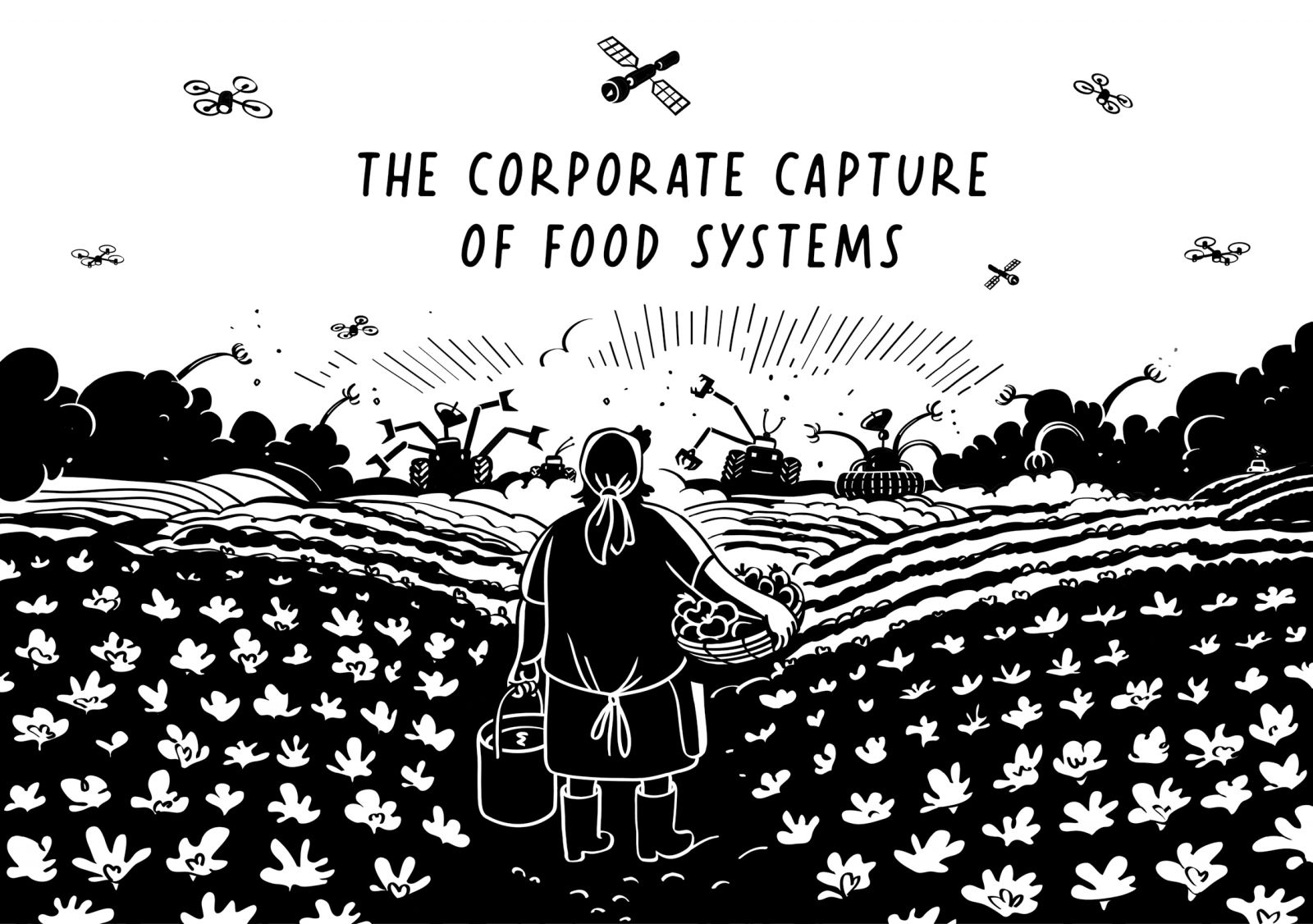
THE POTENTIAL RISKS OF GENETIC ENGINEERING IN AGRICULTURE (1)
THE RISKS POSED ARE AS FOLLOWS:-
(1) Negative Health effects from new Allergens or Toxins (1a) Environmental risks like the creation of “superweeds” and resistant pests, (1b)Reduced biodiversity, and ethical concerns about interfering with nature. (1c) Concerns as to the potential risk as to antibiotic resistance from genetically modified organisms (1d)(GMOs) and the long-term, unknown consequences of genetic modification on ecosystems and human health.
(2)Health & Safety Concerns:-
(2a)Allergic reactions: Genetic engineering could introduce new allergens into the food supply.
(2b)Antibiotic resistance: Genes for antibiotic resistance from GM crops could potentially transfer to humans or animals, contributing to antibiotic resistance.
(2c)Unknown long-term effects: The long-term health impacts of consuming GM foods are not fully understood.
(2d)New toxins: Some genetically engineered crops could produce new toxins.
(3)Environmental Risks: –
(3a)”Superweeds” and “Superbugs”: Herbicide-resistant crops can lead to the development of herbicide-resistant weeds, and crops engineered to produce insecticides can lead to the evolution of pesticide-resistant insects.
(3b)Gene transfer: Genes from GM crops can spread to wild or weedy relatives through cross-pollination, creating new and potentially invasive plants.
(3c)Harm to non-target organisms: Pollen from some GM crops can be toxic to beneficial insects like the monarch butterfly.
(3d)Biodiversity loss: The promotion of monoculture and the spread of GM crops can lead to a reduction in crop biodiversity and impact the resilience of ecosystems.
(3e)Increased chemical use: Despite promises to reduce pesticide use, some GM crop systems can increase the use of chemical herbicides, leading to soil and water degradation.
(4)Ethical and socioeconomic concerns:-
(4a)Interference with nature: Some people have ethical objections to altering the genetic makeup of organisms.
(4b)Dependence on large companies: Genetic engineering can increase the dependence of developing countries on large seed companies, potentially giving them control over food production.
(4c)Loss of genetic diversity: The push for genetically uniform crops can lead to a loss of valuable traditional varieties.
(4d)Unpredictable interactions: Genetically engineered plants could have unforeseen interactions with the environment, potentially becoming invasive and displacing native species.
WakeUpNZ… RESEARCHER: Cassie
-

-
Wednesday - December 10, 2025 - TECH
(6) - Uncategorized
(147)




Leave a Comment