CORPORATE CAPTURE OF GLOBAL FOOD SYSTEMS ‘ THE COLLABORATION BETWEEN THE WEF AND UN FOOD AGRICULTURE ORGANIZATION (FAO)
The Un / WEF Official Partnership was officially adopted 13th June 2019. With a Proviso to jointly accelerate UN Agenda 2030 Global Goals across the world. (SDGs) Transforming Our Lives By 2030. Leaving No-one Behind- Everyone-Everywhere at Every Age. To collaborate Global Food Security * Transform Agri-food Systems. Resource Management * Digital Global Innovation * Public-Private Partnerships * Multistakeholder Capitalism
However there have been many critics that have raised multiple concerns primarily Civil Society Organizations about the Conflicts of Interests * The Influence of Private Corporation as whisperers in the ears of UN Agencies .This includes the Corporate Capture of the Global Food System and the UN FAO’s role in the Global Food Initiatives that include:-Strategic Partnerships with Corporations (a wide range of stakeholders) including UN Entities * Governments * Leaders of Civil Society and the Private Sector (The Mask they hide behind is (Eradicating Hunger- Poverty World Wide) Global Agenda 2030- SDG 1 and SDG2
The FAO (UN) works in a broader UN Framework in that of Food Security & Nutrition. Guiding Global, Regional and National efforts into Policy & Decision making. And encourages Multistake-holderism dialogue, developing common approaches to Global Food Systems. Supporting UN Member States to create coalitions of Public-Private Actors to foster Agri-food System Transformation. The deepening of institutional engagement as to Global Challenges such as Climate Change – Health – and the coined phrase ‘Sustainable Development
The WEF-UN Collaboration (Partnership) with the FAO (UN)..In 2022 they signed a Letter of Intent to facilitate the channeling of the Private Sector resources towards Transforming Agri-food Systems worldwide. The WEF launched the Food Innovation Hubs Global Initiative with FAO (UN) as the Collaborator. Leveraging Market Based Partnerships with Public-Private and Civil Society Partners to Scale Up Innovations
Critics have reported that the UNs growing collaboration with the WEF is a platform for Transnational Corporations that allows ‘Global Corporate Capture’ and a dialogue of Global Decision Making. 240 Civil Society Organizations condemned the 2019 WEF-UN Partnership in an Open Letter stating that it ‘Delegitimizes the UN and weakens the role of UN Member States in Global Decision Making – Increasing the influence of corporations, promoting industrial, technological focused solution to Food Security which risks harming small scale farming practices, causing socio-economical problems. Favoring Corporate Interests over that of vulnerable populations-Threatening Human Rights.
Giving disproportionate power to Corporate Interests, undermining the Democratic State Nature of the UN as it was originally set out to be. With the WEF & UN public-private relationship increasing investment in Agrifood systems, aborting traditional farming. Collaborating on Data & Digital conditions that produce WEF/UN Initiatives Eg: (One Map & the Future Market Place Playbook) With the FAO (UN) and WEF Co-publishing a White Paper titled ‘Transforming Food Systems for Country Led Innovation’
The WEF/FAO (UN) Food Summit and the Digital and Data Coalition. The WEF long standing relations with UN Agencies. The Alignment of Food Systems Transformation. Inclusive Partnerships with common goals. The common goal of Transforming Global Food Systems. Providing Data and Stats crucial for informing Policy and Tracking Progress in the Transformation of Global Food Systems
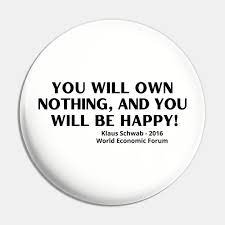
Partnerships that are focused on attracting Investment for the Transformation of Global Food Systems, this includes how Food is Produced, Distributed and Consumed globally. The total destruction of the Free-market Enterprise Innovated Economy (The Freedom To Choose). Multistakeholder Capitalism Klaus Schwabs baby (600 Page Global Redesign Initiative 2010) Produced and adopted post the 2008-2009 World Financial Recession. Adopted by Governments worldwide
Critics state that this approach shifts Economic Governance away from Competitive Markets towards a model of Self Appointed Group of Corporate and Political Elites. There are also many critics that view the annual DAVOS gatherings as an Undemocratic Opaque Governance Venue where powerful political and corporate leaders make decisions without accountability to the public they represent in UN Member Nation States thus diminishing National Sovereignty
Never let a Good Crisis Go To Waste. Large Corporate Interests that prioritize Conformity over Disruption. The WEF is accused of ‘Crony Capitalism’. Where Corporations use their influence to lobby for favorable regulations and protectionism through Legislations at the expense of a genuine Free-Market enterprising Innovative Economy. Corporations accused of Green Washing (ESG’s)
Initiatives such as the Great Reset proposed by the WEF, advocating for the restructuring of the Global Economy. The lack of Democratic Engagement within UN Member Nation States and Beyond -Globally that do not reflect the interests of UN Member State or Global Population interests but those of the Economical /Political Elite. The Stakeholder Capitalism model seeks to shift responsibility beyond shareholders to a broader group of stakeholders has been criticized as rebranding of the worlds economy. And the Erosion of National Sovereignty
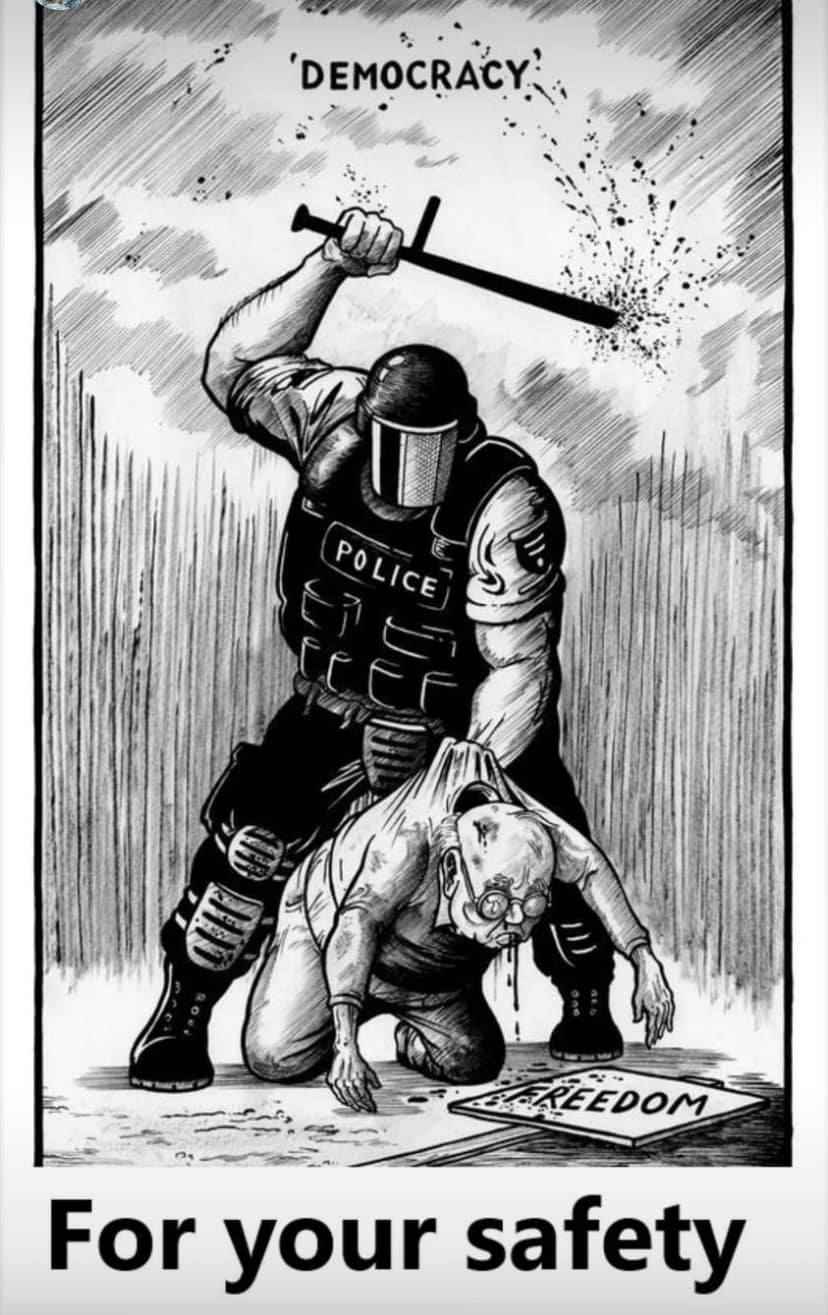
The increasing influence of the WEF over UN Nation State policies and the erosion of National Sovereignty is not without serious concern. The WEF pushing for Global Governance Models that by-pass Nation State Legislatures without civil societies explicit consent. The WEF Global Digital Identification Systems, * Centralized Climate Policies * International Tax Frameworks all encroachments on Nation State Government and the voting public of the Sovereign Nation State. Decision making that cannot be challenged, hence the government is not held accountable by its voting citizens
The WEF a strong powerful proponent of the Forth Industrial Revolution which encompasses Artificial Intelligence * Automation * Biotechnology being implemented even though populations worldwide have serious concerns about this push into a Technocratic Future of Controlling Forces of Compliancy. The WEF reporting its Vision ‘A Technology Driven Future that includes Mass Digital Surveillance which is being played out rapidly across the world eight now. AI Digital Identification Global Governance (Transforming Our Live by 2030. UN Agenda 2030 SDG 16.9 Everyone is to have a digital ID by 2030) Otherwise you wont be recognized as existing.
NZ participating in the WEF Pilot ‘Digital Regulations’. Without transparency. Did the Government share this information publicly? NO. Was there any public discussion- debate with the population of NZ. No. WEF mass digital surveillance, monitoring and a push for a ‘cashless society’. Digital Identity Systems. Government/Corporate surveillance restricting individual autonomy- freedoms- liberties. (Judith Collins Portfolio)
COVID 19 – The WEF played an increasing significant role in shaping Global Health Policies particularly during the COVID Pandemic. Collaborating with Organizations like the WHO (UN) and major Pharmaceutical companies (Big Pharma) to influence Vax Policies, Digital Health Passes and Pandemic Preparedness Strategies. Concerns have been raised about the WEFs role in promoting policies that benefit Bif Pharma at the expense of transparency and Public Choice. The rapid push for vaccine mandates and Digital Health Passports seen by some as an over-reach prioritizing Corporate Interests over Individual Freedoms
The WEF and the UN have positioned themselves as a global force, with zilch accountability to National Sovereignty and the people whom vote political parties in. This empowers a small global powerful elite to shape the Global Future that do not align with the broader interests of Humanity. This is a global concentration of centralized power (Top Down and Bottom Up) that poses a huge risk to our personal- individual freedoms. Where Governments engage with the WEF /UN behind closed doors when they collaboration – plan to implement the Transforming Of Our Lives before 2030. (Leaving No-One Behind..Everyone..Everywhere.. At Every Age)
We No… What They Are Doing.. They Know- We know what they are Doing.. But they still keep on Doing it.. Yet there is a deafening Silence in the public Arena as the UN Member State Puppets implement ‘Transforming Our Lives By 2030’ Locking us into a Digital Prison. Industrial Corporate Global Food Systems and Smart City Surveillance-Monitoring-Facial Recognition.
WakeUpNZ.. RESEARCHER: Cassie
...