GENE THERAPY ‘ PFIZER’- ASTRAZENICA- THE NZ NEW GENE THERAPY BILL 2024…

Pfizer adheres to NZ Regulations for Medicines, this includes ‘Gene Therapy’. NZ is focusing on its Gene Technology Regulations to facilitate Research *Development * Manufacture of New Therapies. Pfizer compliancy is bound by NZ Regulations for the Pharmaceutical Industry that covers all aspects of Medicines, including emerging fields eg:- Gene Therapy. With NZ Govt updating its Regulations to make it easier for the Medical Professions, Scientists to develop Gene Therapies including Gene Technology.

NZ Govt moving from a Restrictive System to one that facilitates Research and Access to Treatments. Pfizer’s role is well known as being focused on Gene Therapy Research and Development internationally. Pfizer trials on Gene Therapy would need Medsafe approval for local trials in NZ. Late 2024 early 2025 NZ Govt began over-hauling its Gene Therapy Regulations to replace the 30yr Hazardous Substance and New Organism (HSNO) Act

The new Gene Technology Bill is modeled on Australia’s Gene Technology Act. A new Regulator will be established with the Environmental Protection Authority (EPA) to oversee the field. This will allow for Fast Tracking of Gene Therapies. Hence Pfizer’s most prominent activity to Gene Technology in NZ has been to supply MrNA COVID 19 Jabs, which have received Provisional Approval by MedSafe…(MedSafe is NZs Medicines Regulator)

Alexion is an AstraZeneca subsidiary that acquired a portfolio of pre-clinical Gene Therapies from Pfizer in a Global deal. NZ Researchers are currently conducting clinical trials on Gene Therapies. NZs growing involvement in this field (even prior to the latest Legislative changes). NZs  Worlds First Trials – the Clinical Research Center using CRISPA in NZ. The Malaghan Institute of Medical Research running NZs first CART-Cell Trial- Genetically modifying a patients Immune Cells

Auckland University led Trials on Gene Therapies. Research collaboration in NZ Clinical Research Centers- Universities- Hospitals are already collaborating to accelerate Genetic Research and Advanced treatments using Gene Therapies for companies like Pfizer a Path to Gene Therapies in NZ. Gene Therapies include modification of Plants etc., This is backed majorly by the National and ACT Party. Reported to be a permissive approach to Gene Modification of Risks & Benefits.

Gene Technology involves Plants * Animals  * Humans * Micro-organisms = DNA. Also described as Genetic Engineering or Genetic Modification. GMOs  are organisms that have undergone the process or inherited modification of Genes. Gene Technology from a Technical perspective can involve *Modification * Removal & Multiplication * Relocation of a Gene within an organism- or the Transfer of a Gene from one Species to another

The Genetic Modification of Crops to increase production is reported to improve resistance to environmental conditions (Adaption to Climate Change referring to the Agricultural Industry)  The Gene Technology 1996- 2024 Approach- Gene Technology releasing GMOs into the Environment is heavily restricted under Law- although heavily restricted its still possible with Regulations approval

The primary barrier of using Gene Technology and GMOs in the Hazardous Substances & New Organisms Act 1996. Amendments were made in 2000 to incorporate recommendations made by the Royal Commission on Genetic Modification which meant very little changed as far as the Law is concerned. The Law at this present time before new legislation kicks in is:-

A GMO may not be imported * manufactured * developed * field tested or released into the environment other than in accordance with an approval. The  current ACT does not provide a wholesale ban on the release of GMOs outside a Lab setting in NZ. Although it does make it subject to EPA approval. The using GMOs inside Labs  are strictly regulated. GMOs can only be implemented into a developed or tested within a containments facility (A Controlled Lab) approved by the Ministry Of Primary Industries (MPI)

Operated in accordance with MPI and EPA Standards and other legal barriers such as approval from authorities in NZ. The Bio-Security Act 1993 prohibits Importation * Release * Propagation of GMOs that are not approved for Important by the current legislation (HSNO ACT). This is enforced at the Border by MPI

Between the HSNO Act and other Environmental Legislations this has been an area of tension in NZ, as a result Court decisions and some Local Authorities consider they have the power under the Resource Management Act (RMA) 1991 to regulate the use and release GMOs through Policy Statements and Plans. There are Bio-Security hurdles as to the use of Gene Technologies, therapeutic products that are GMOs which are regulated by Medsafe under the Medicine Act 1981. The Human Tissues Act 2008 which contains general prohibition on Trading in Human Tissue * Cells * Blood * Bone Marrow and other Body Parts

Australia’s Hybrid Approach is likely to be adopted in NZ. RMA Restrictions removed and the HSNO Act amended. NZ Regulators will utilize overseas regulations as to its activities. Automatic authorization will be granted for Human Medicine – Regulations for the New Gene Technology is expected to be in place by the end of 2025.. The NZ Omnibus Bill seeks to use Gene Technology in NZ by establishing a new Regulatory regime (Gene Technology Bill 2024)

AstraZeneca- Pfizer $1 Billion Gene Therapy deal with Astrenica’s subsidiary Alexion- a portfolio of pre-clinical Gene Therapy and Technologies from Pfizers deal. Alexions Global Pre-clinical Research is conducted globally. Eg 2019 collaboration with NZ Pharma focusing on discovery, research up to pre clinical stage trials. The Global Pre-clinical Candidate in 2024 is called ZP1000468 developed by Alexion and NZ Pharma prepared for Clinical Trials.

Watch for the partnership announcements as to future collaboration that could lead to new clinical trials in NZ. Alexion has had interactions with NZ Pharmaceutical Regulatory body Pharmac for its approved medicines. 2019 Alexion announced collaboration with Danish BioTech company..NZ to lead certain therapies. NOTE:- Local Clinical Trial Websites.. Research Networks * PCRN * Momentum Clinical Research * Clinical Trials NZ

NZ Gene Therapy Law aims to create opportunities for companies like Pfizer by modernizing regulations similar to Australian Gene Technology Regime. However there are Risk when it comes to Gene Therapies. And Australia does refer to those risks and the consequence involved. Concerns about integrating Vectors. Leading to severe health problems. Long term follow-ups are crucial. There are many uncertainties. Risks and Uncertainties

WakeUpNZ.. RESARCHER: Cassie

...

Health Blog Posts View all Categories

DECLARATION OF HELSINKI (The World Medical Association)

These are the primary principles of the Helsinki Declaration:-
The basic principles include respect for individuals, the right to make informed decisions, recognition of vulnerable groups, and more. The Declaration of Helsinki has been revised six times, in 1975, 1983, 1989, 1996, 2000, and 2008.

The four basic principles of research are classified as autonomy, beneficence, non-maleficence, and justice.

THE PREAMBLE: The World Medical Association (WMA) has developed the Declaration of Helsinki as a statement of ethical principles for medical research involving human subjects, including research on identifiable human material and data.

The Declaration of Helsinki is consistent with the mandate of the WMA, the Declaration is addressed primarily to physicians. The WMA encourages others who are involved in medical research involving human subjects to adopt these principles.

GENERAL PRINCIPLES: -The Declaration of Geneva of the WMA binds the physician with the words, “The health of my patient will be my first consideration,” and the International Code of Medical Ethics declares that, “A physician shall act in the patient’s best interest when providing medical care.”
It is the duty of the physician to promote and safeguard the health, well-being and rights of patients, including those who are involved in medical research. The physician’s knowledge and conscience are dedicated to the fulfilment of this duty.

Medical progress is based on research that ultimately must include studies involving human subjects.
The primary purpose of medical research involving human subjects is to understand the causes, development and effects of diseases and improve preventive, diagnostic and therapeutic interventions (methods, procedures and treatments). Even the best proven interventions must be evaluated continually through research for their safety, effectiveness, efficiency, accessibility and quality.

Medical research is subject to ethical standards that promote and ensure respect for all human subjects and protect their health and rights. While the primary purpose of medical research is to generate new knowledge, this goal can never take precedence over the rights and interests of individual research subjects.
It is the duty of physicians who are involved in medical research to protect the life, health, dignity, integrity, right to self-determination, privacy, and confidentiality of personal information of research subjects. The responsibility for the protection of research subjects must always rest with the physician or other health care professionals and never with the research subjects, even though they have given consent.

Physicians must consider the ethical, legal and regulatory norms and standards for research involving human subjects in their own countries as well as applicable international norms and standards. No national or international ethical, legal or regulatory requirement should reduce or eliminate any of the protections for research subjects set forth in this Declaration.
Medical research should be conducted in a manner that minimises possible harm to the environment.

Medical research involving human subjects must be conducted only by individuals with the appropriate ethics and scientific education, training and qualifications. Research on patients or healthy volunteers requires the supervision of a competent and appropriately qualified physician or other health care professional.
Groups that are underrepresented in medical research should be provided appropriate access to participation in research.

Physicians who combine medical research with medical care should involve their patients in research only to the extent that this is justified by its potential preventive, diagnostic or therapeutic value and if the physician has good reason to believe that participation in the research study will not adversely affect the health of the patients who serve as research subjects
Appropriate compensation and treatment for subjects who are harmed as a result of participating in research must be ensured.

RISKS, BENEFITS AND BURDENS:- In medical practice and in medical research, most interventions involve risks and burdens. Medical research involving human subjects may only be conducted if the importance of the objective outweighs the risks and burdens to the research subjects.
All medical research involving human subjects must be preceded by careful assessment of predictable risks and burdens to the individuals and groups involved in the research in comparison with foreseeable benefits to them and to other individuals or groups affected by the condition under investigation.

Measures to minimise the risks must be implemented. The risks must be continuously monitored, assessed and documented by the researcher.
Physicians may not be involved in a research study involving human subjects unless they are confident that the risks have been adequately assessed and can be satisfactorily managed.
When the risks are found to outweigh the potential benefits or when there is conclusive proof of definitive outcomes, physicians must assess whether to continue, modify or immediately stop the study.

VUNERABLE GROUPS AND INDIVIDUALS:- Some groups and individuals are particularly vulnerable and may have an increased likelihood of being wronged or of incurring additional harm. All vulnerable groups and individuals should receive specifically considered protection.
Medical research with a vulnerable group is only justified if the research is responsive to the health needs or priorities of this group and the research cannot be carried out in a non-vulnerable group. In addition, this group should stand to benefit from the knowledge, practices or interventions that result from the research.

SCIENTIFIC REQUIREMENTS AND RESEARCH PROTOCOLS: – Medical research involving human subjects must conform to generally accepted scientific principles, be based on a thorough knowledge of the scientific literature, other relevant sources of information, and adequate laboratory and, as appropriate, animal experimentation. The welfare of animals used for research must be respected.
The design and performance of each research study involving human subjects must be clearly described and justified in a research protocol.
The protocol should contain a statement of the ethical considerations involved and should indicate how the principles in this Declaration have been addressed. The protocol should include information regarding funding, sponsors, institutional affiliations, potential conflicts of interest, incentives for subjects and information regarding provisions for treating and/or compensating subjects who are harmed as a consequence of participation in the research study.

In clinical trials, the protocol must also describe appropriate arrangements for post-trial provisions.
RESEARCH ETHIC COMMITTEE’S:- The research protocol must be submitted for consideration, comment, guidance and approval to the concerned research ethics committee before the study begins. This committee must be transparent in its functioning, must be independent of the researcher, the sponsor and any other undue influence and must be duly qualified. It must take into consideration the laws and regulations of the country or countries in which the research is to be performed as well as applicable international norms and standards but these must not be allowed to reduce or eliminate any of the protections for research subjects set forth in this Declaration.

The committee must have the right to monitor ongoing studies. The researcher must provide monitoring information to the committee, especially information about any serious adverse events. No amendment to the protocol may be made without consideration and approval by the committee. After the end of the study, the researchers must submit a final report to the committee containing a summary of the study’s findings and conclusions.

PRIVACY AND CONFIDENTIALITY:- Every precaution must be taken to protect the privacy of research subjects and the confidentiality of their personal information.
INFORMED CONSENT: Participation by individuals capable of giving informed consent as subjects in medical research must be voluntary. Although it may be appropriate to consult family members or community leaders, no individual capable of giving informed consent may be enrolled in a research study unless he or she freely agrees.

In medical research involving human subjects capable of giving informed consent, each potential subject must be adequately informed of the aims, methods, sources of funding, any possible conflicts of interest, institutional affiliations of the researcher, the anticipated benefits and potential risks of the study and the discomfort it may entail, post-study provisions and any other relevant aspects of the study. The potential subject must be informed of the right to refuse to participate in the study or to withdraw consent to participate at any time without reprisal. Special attention should be given to the specific information needs of individual potential subjects as well as to the methods used to deliver the information.

After ensuring that the potential subject has understood the information, the physician or another appropriately qualified individual must then seek the potential subject’s freely-given informed consent, preferably in writing. If the consent cannot be expressed in writing, the non-written consent must be formally documented and witnessed.

All medical research subjects should be given the option of being informed about the general outcome and results of the study.

When seeking informed consent for participation in a research study the physician must be particularly cautious if the potential subject is in a dependent relationship with the physician or may consent under duress. In such situations the informed consent must be sought by an appropriately qualified individual who is completely independent of this relationship.
For a potential research subject who is incapable of giving informed consent, the physician must seek informed consent from the legally authorised representative. These individuals must not be included in a research study that has no likelihood of benefit for them unless it is intended to promote the health of the group represented by the potential subject, the research cannot instead be performed with persons capable of providing informed consent, and the research entails only minimal risk and minimal burden.

When a potential research subject who is deemed incapable of giving informed consent is able to give assent to decisions about participation in research, the physician must seek that assent in addition to the consent of the legally authorised representative. The potential subject’s dissent should be respected.

Research involving subjects who are physically or mentally incapable of giving consent, for example, unconscious patients, may be done only if the physical or mental condition that prevents giving informed consent is a necessary characteristic of the research group. In such circumstances the physician must seek informed consent from the legally authorised representative. If no such representative is available and if the research cannot be delayed, the study may proceed without informed consent provided that the specific reasons for involving subjects with a condition that renders them unable to give informed consent have been stated in the research protocol and the study has been approved by a research ethics committee. Consent to remain in the research must be obtained as soon as possible from the subject or a legally authorised representative.

The physician must fully inform the patient which aspects of their care are related to the research. The refusal of a patient to participate in a study or the patient’s decision to withdraw from the study must never adversely affect the patient-physician relationship.

For medical research using identifiable human material or data, such as research on material or data contained in biobanks or similar repositories, physicians must seek informed consent for its collection, storage and/or reuse. There may be exceptional situations where consent would be impossible or impracticable to obtain for such research. In such situations the research may be done only after consideration and approval of a research ethics committee.

USE OF PLACEBO:- The benefits, risks, burdens and effectiveness of a new intervention must be tested against those of the best proven intervention(s), except in the following circumstances:
Where no proven intervention exists, the use of placebo, or no intervention, is acceptable; or
Where for compelling and scientifically sound methodological reasons the use of any intervention less effective than the best proven one, the use of placebo, or no intervention is necessary to determine the efficacy or safety of an intervention and the patients who receive any intervention less effective than the best proven one, placebo, or no intervention will not be subject to additional risks of serious or irreversible harm as a result of not receiving the best proven intervention. Extreme care must be taken to avoid abuse of this option

POST TRIAL PROVISIONS:- In advance of a clinical trial, sponsors, researchers and host country governments should make provisions for post-trial access for all participants who still need an intervention identified as beneficial in the trial. This information must also be disclosed to participants during the informed consent process.

RESEARCH REGISTRATION AND PUBLICATION AND DISSEMINATION OF RESULTS:- Every research study involving human subjects must be registered in a publicly accessible database before recruitment of the first subject.
Researchers, authors, sponsors, editors and publishers all have ethical obligations with regard to the publication and dissemination of the results of research. Researchers have a duty to make publicly available the results of their research on human subjects and are accountable for the completeness and accuracy of their reports. All parties should adhere to accepted guidelines for ethical reporting. Negative and inconclusive as well as positive results must be published or otherwise made publicly available. Sources of funding, institutional affiliations and conflicts of interest must be declared in the publication. Reports of research not in accordance with the principles of this Declaration should not be accepted for publication.

UNPROVEN INTERVENTIONS IN CLINICAL PRACTICE:- In the treatment of an individual patient, where proven interventions do not exist or other known interventions have been ineffective, the physician, after seeking expert advice, with informed consent from the patient or a legally authorised representative, may use an unproven intervention if in the physician’s judgement it offers hope of saving life, re-establishing health or alleviating suffering. This intervention should subsequently be made the object of research, designed to evaluate its safety and efficacy. In all cases, new information must be recorded and, where appropriate, made publicly available.

PRIVACY & CONFIDENTILITY: Every precaution must be taken to protect the privacy of research subjects and the confidentiality of their personal information.
INFORMED CONSENT: Participation by individuals capable of giving informed consent as subjects in medical research must be voluntary. Although it may be appropriate to consult family members or community leaders, no individual capable of giving informed consent may be enrolled in a research study unless he or she freely agrees.

In medical research involving human subjects capable of giving informed consent, each potential subject must be adequately informed of the aims, methods, sources of funding, any possible conflicts of interest, institutional affiliations of the researcher, the anticipated benefits and potential risks of the study and the discomfort it may entail, post-study provisions and any other relevant aspects of the study. The potential subject must be informed of the right to refuse to participate in the study or to withdraw consent to participate at any time without reprisal. Special attention should be given to the specific information needs of individual potential subjects as well as to the methods used to deliver the information.
After ensuring that the potential subject has understood the information, the physician or another appropriately qualified individual must then seek the potential subject’s freely-given informed consent, preferably in writing. If the consent cannot be expressed in writing, the non-written consent must be formally documented and witnessed.
All medical research subjects should be given the option of being informed about the general outcome and results of the study.

When seeking informed consent for participation in a research study the physician must be particularly cautious if the potential subject is in a dependent relationship with the physician or may consent under duress. In such situations the informed consent must be sought by an appropriately qualified individual who is completely independent of this relationship.
For a potential research subject who is incapable of giving informed consent, the physician must seek informed consent from the legally authorised representative. These individuals must not be included in a research study that has no likelihood of benefit for them unless it is intended to promote the health of the group represented by the potential subject, the research cannot instead be performed with persons capable of providing informed consent, and the research entails only minimal risk and minimal burden. When a potential research subject who is deemed incapable of giving informed consent is able to give assent to decisions about participation in research, the physician must seek that assent in addition to the consent of the legally authorised representative. The potential subject’s dissent should be respected.

Research involving subjects who are physically or mentally incapable of giving consent, for example, unconscious patients, may be done only if the physical or mental condition that prevents giving informed consent is a necessary characteristic of the research group. In such circumstances the physician must seek informed consent from the legally authorised representative. If no such representative is available and if the research cannot be delayed, the study may proceed without informed consent provided that the specific reasons for involving subjects with a condition that renders them unable to give informed consent have been stated in the research protocol and the study has been approved by a research ethics committee. Consent to remain in the research must be obtained as soon as possible from the subject or a legally authorised representative.

The physician must fully inform the patient which aspects of their care are related to the research. The refusal of a patient to participate in a study or the patient’s decision to withdraw from the study must never adversely affect the patient-physician relationship.
For medical research using identifiable human material or data, such as research on material or data contained in biobanks or similar repositories, physicians must seek informed consent for its collection, storage and/or reuse. There may be exceptional situations where consent would be impossible or impracticable to obtain for such research. In such situations the research may be done only after consideration and approval of a research ethics committee.

(9TH July 2018)
Clinical Study, Ethics, Ethics Committee, Helsinki, Human Subjects, Medical Research, Patient Autonomy, Placebo, Post-Trial Access, Principle, Publication, Register, Review Committee, Risk Assessment, Subject Protection, Vulnerable Populations..WMA Declaration of Cordoba on Patient-Physician Relationship
https://pubmed.ncbi.nlm.nih.gov/24141714/

WMA Declaration of Helsinki – Ethical Principles for Medical Research Involving Human Subjects

...

WEALTH BEFORE HEALTH

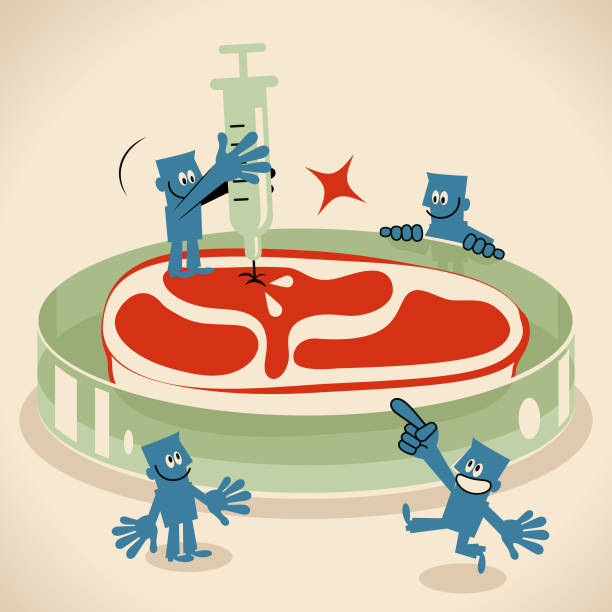
Fonterra is investing in la-grown artificial meat. Fonterra is investing in Montif ingredients, a Boston biotech start-up that uses genetic engineering and cultured ingredients to ‘make foods that are more sustainable’. Once again be alerted to that word ‘sustainable’. UN Agenda 2030 and its 17 Sustainable Development Goals and also the Great Reset.
Beyond Meats CEO says fake meat is good for farmers, so who is behind ‘Beyond Meats? Non other than Bill Gates, he has invested in a number of start-up’s relating to fake foods, fake meats. Plant based food is all part of the tech revolution, the ‘Great Reset’ and ‘UN Agenda 2030’ (Climate Alarmism)
It has been reported that by 2040 the alternative to real meat could make $240 billion in revenue globally.

I personally believe that the global fake meat industry will have a big impact on farmers, causing a disruption in beef production, as if its not bad enough already with this targeting of farmers with stricter regulations and also targeting them to significantly reduce livestock numbers.

Global Multistakeholder Capitalist wealthy Corporations are jumping on the gravy train when it comes to climate alarmism. Philanthropists like Bill Gates has invested in several start-up in the fake meat, fake food industry.

COVID-19 has spiked the increase of fake meats in supermarket refrigerators. In US grocery stores sales of fake meat has increased 264%.

The farmers in New Zealand are about to have another ‘Groundswell’ protest nationwide, the second one this year. Thousands of farmers in New Zealand had descended on dozens of towns and cities across the nation. They were protesting, demanding the government loosen its environmental policies, regulations which they are finding very difficult to deal with.

Farmers are not climate villains. The IPCC methane measurements are questionable, biogenic methane has been stable or has reduced each year in New Zealand since 2001. One must surely question is this a global scamdemic aligning itself with the plandemic. WHo actually understands the wellbeing indicator modelling and every other modelling these so called scientists and researchers use, which is called evidence based. Predictabilities, assumptions, data in and data out?? After all the government fund the researchers in these universities to provide them with the evidence to introduce policies and regulations that effect New Zealanders.

So, when it comes to fake meat, should we question is it a healthy replacement for real meat, or can it cause disease?

NOTE” PLEASE GO TO THE LINK ABOVE TO VIEW MY RMBLE VIDEO FOR MORE INFORMATION ON THIS TOPIC.

...

A BRIEF HISTORY ON INTELLECTUAL PROPERTY -UNDER COVID19, GOVERNMENTS HAVE MADE HUMAN CAPITAL A PROPERTY RIGHT OF UN NATION STATES.

Vaccines have a pitiful grubby history of how they become Intellectual Property. The World Trade Org., (UN) trade related Intellectual Property Rights agreement, this is an extremely undemocratic, an expression of ‘private- public global corporate power’.

Intellectual Property Rights are quite simply explained. If you possess a cow and some-one steals it, you have lost your cow, however if you discover a process to make that cows milk safer to drink, the possession of that knowledge does not reduce your store of it. Jefferson’s famous formulation: he who receives an idea from me, receives instruction himself without lessening mine; as he lights his taper at mine, receives light without darkening me”.

The concept of Intellectual Property was resisted in Europe right into the 20th century as late as 1912. Rejecting Patents that they called a “free trade in inventions”. This was consistent with the liberal doctrine as they were suspicious of patents. The Economist advocated for the abolishment of the English patent system, that was before inventors established a right of property in their inventions. It was viewed that inventors ought to give up all the knowledge and assistance of their inventions, this was suggested in a magazine dated 1850….”That is impossible, and the impossibility shows that their minds and their inventions are, in fact, parts of the great mental whole of society, and that they had no right of property in their inventions”

The first patent system arrived in Elizabethan England not to ’drive innovation’ nut to limited Crown-dispensed monopolies. Actually, the hatred of these monopolies played a starring role in the American Revolution, where the leaders were opposed to patents. Thomas Jefferson and Ben Franklin thought patents as being impediments to progress. In fact the phrase Intellectual Property was coined in post revolutionary France to obscure the royal origins of monopoly, markets and theories did not fit into rights and property.

The word ‘Property’ itself had an unpleasant ring of ‘Privilege’. Patent was just an unaccepted theory and was very insincere, was viewed with suspicion. Then medicines started to be added to debates. Switzerland first became a pharmaceutical powerhouse, but did not add patents until 1977. Prior to the World Trade Org., (UN) in 1995 there was little power to enforce patents outside a country’s own borders.
Estes Kefauver was a Arkansas Democrat who oversaw an investigation into the post war pharmaceutical industry. He became focused on the industry’s business model, patents, cartel and monopoly pricing. Americans and other around the world then started making markups as high as 7000% on patented drugs, that were created using natural processed discovered in publicly funded labs.

Kefauver revealed that there was corruption and scandals related to the highest markups by Merck and Pfizer as they targeted middle class India and the Nehru Government responded with further investments in the country’s generics industry. In New Delhi they began drafting a new patent law to replace the British colonial regime that was still on their books.

The concept of intellectual property was resisted in Europe into the twentieth century. As late as 1912, Holland rejected patents and maintained what it called a “free trade in inventions.”. Merck CEO John O’Connor announced the patent law “A victory for Global Communism” From thence on, as time proceeded patents become increasing politicization of technology that the US Drug Industry took the lead in formulating the plan that culminated a quarter of a century later in the founding of the world Trade Organization of the United Nations.

In May 1974 a declaration was passed in the UN General Assembly calling for a ‘New International Economic Order’, a more equal distribution of global financial, natural knowledge resources that relates to human health. The UN Vision included a rejection of Intellectual Property as an illegitimate tool of the strongest against the week, a neo-colonial straw designed to continue siphoning wealth from the South to North.

In September 1978 Halfden Mahler a WHO (UN) Director General unveiled an agency program to help poor countries reduce their drug spending by building up their domestic drug industries this came about with the ‘Declaration of Alma-Ata’, to provide health for all by the year 2000. It was affirmed once again by the WHO (UN) that ‘health as being based on equity and social justice’

It is documented that the Alma Ata conference remained unfulfilled because of an obsessive revenge drive of a CEO of Pfizer in 1972, the year that India’s Patents Act entered into force. Developments threatened Pfizers ambitious plans for dominating global markets and agricultural products especially in Asia, however Pfizer lead an industry counter-attack against what is known as the G77. Pfizer’s patent lawyer launched infringement suits globally. In 1962 Pfizer sued the British Government after the National Health Service purchased an Italian generic version of Pfizer patented antibiotic, tetracycline.

Editorials documented that Pfizer owed its power to wartime contracts to produce penicillin which had been discovered and developed in Oxford that had left the public domain. British authorities have been in several legal conflicts with Pfizer. Over quite some time the N World Intellectual Property Org, (WIPO) oversaw the 1883 Paris convention for the protection of industry property.

Of course the Big Tech companies later became all part of the information economy with very powerful interests. In entertainment, software, biotech, agriculture and of course the pharmaceutical industry. Wealthy clubs and Regimes, groups were built around these big techs and big pharma industries.

Nations that refused to recognise the authority of the U S Patents Office were known as rogue nations. There was a tense worldwide struggle for technology supremacy. It was said “all freedom loving nations to get in line behind the proper enforcement and honourable treatment of intellectual property that singled out ‘computers, pharmaceuticals and telecommunication’ as area’s of knowledge being stolen by the denial of patent rights” It was also said that the their was a grab for high technology inventions for underdeveloped countries. Of course the UN and world Economic Forum now obsessively promote Pfizer patents and other Pharmaceutical Companies

Going back to the UN Marrakesh Conference on 15th April 1994, when 124 UN Member States signed the bringing of the World Trade Org., (UN) into existence. A treaty was signed “ a new era of global economic cooperation reflecting the widespread desire to operate in a fairer and more open multilateral trading system for the benefit and welfare of their peoples.” In return for enforcing Western patents on medicines and other technologies, G77 nations were promised access to northern rich markets, and a conditional “freedom from fear”

And hear we are today people ravaged with fear as a global experiment knocks on everyone’s door, as governments demand us all to be human guinea pigs to the pharmaceutical companies, for in New Zealand Pfizer.

BELOW ARE JUST A FEW OF THE LAWSUITS AGAINST PFIZER:-
CNBC report on 16/12/2020 that Pfizer or Moderns under the PREP Act are devoid of being sued if any person has adverse reactions from COVID19 Injections. The Government is not likely to compensate you for damages.

25/06/2019 — Pfizer and its subsidiary Pharmacia & Upjohn Company paid $2.3bn to settle criminal and civil liabilities for illegal promotion of their …

Pfizer lawsuit (re administration of experimental drug in …https://www.business-humanrights.org › latest-news › p…
In a separate action, the Nigerian federal government filed suit against Pfizer and several of its employees in June 2007 seeking nearly $7 billion in …

Pfizer recalls all lots of anti-smoking drug over … – Reuters
https://www.reuters.com › healthcare-pharmaceuticals › pf…16/09/2021 — Pfizer Inc said on Thursday it was recalling all lots of its anti-smoking treatment, Chantix, due to high levels of cancer-causing agents …

Laws suits refer to Pfizer’s Chantix having effects on peoples mental health, suicidal thoughts, depression and also causing suicides have been reported for many years. Chantix was approved by the FDA on the 5th October 2006 to help people quit smoking. There was a voluntary callback of Chantix by Pfizer in September 2021. It has taken 15 years to announce a voluntary call back of Chantix.

BENEFITS AND RISKS: Currently, the FDA tells patients that the benefit of using the voluntary recalled Chantix “is to keep on using it, the benfits outweigh the risks” The World Health Organization takes the same stance as FDA on the benefits and risks as FDA.

COVID19 Injections the same stance applies to the global human experiment of injections..The benefits verses the Risks. The benefits surely belong to the power and money hungry of this world.

PATENTS- INTELLECTUAL PROPERTY RIGHTS DO NOT PROTECT THE HUMAN LIVES OF BILLIONS OF PEOPLE WORLWIDE WHOSE GOVERNMENTS DEMAND THEY ARE HUMAN GUINEA -PIGS. THE DESENSITIZING AND DEHUMANIZATION OF HUMAN LIFE ITSELF.

...

GLOBALLY DOCTORS ARE BEING STRUCK OFF MEDICAL COUNCILS OR WALKING AWAY FROM THEIR MEDICAL PROFESSION.

IN December 2020, US family doctor Steven LaTulippe had his licence to practise medicine suspended over his opposition to mask wearing and other preventive measures against COVID-19.

According to the Oregon Medical Board, LaTulippe regularly advised patients it was “very dangerous” to wear a mask, particularly for older people and children.

Masks increased the body’s carbon dioxide content, he said, exacerbating chronic obstructive pulmonary disease and asthma and increasing the risk of multiple serious conditions, including heart attacks, stroke, collapsed lungs, methicillin‐resistant Staphylococcus aureus (MRSA), pneumonia and hypertension. Signs posted in his clinic warned of carbon dioxide toxicity with mask wearing.

The Board found LaTulippe’s continued practice would constitute an immediate danger to public health and safety. His advice to patients about the alleged failure of masks to prevent viral transmission and their potential harm was counter to basic principles of epidemiology and physiology, the Board said.

When a clinician advises patients to act in a way that risks their own health and that of others, the situation seems fairly clear. But how should regulators respond when a doctor makes similar claims in a public forum, particularly if they use their medical training to bolster their authority?

LaTulippe’s opposition to masks was not confined to his clinic. At an Oregon political rally in November 2020, he had exhorted those attending to “take off the mask of shame”, the Washington Post reported.

Other US doctors have publicly touted debunked cures or described the pandemic as a manufactured crisis.

New York psychiatrist Dr Andrew Kaufman, for example, has built a huge global following through his denial of the existence of multiple viruses, including those behind measles, poliomyelitis, HIV/AIDS, chickenpox, and of course COVID-19.

He has described vaccines as “syringes full of poison” and promised followers that, if it gets to the point where soldiers are holding people down to vaccinate them against COVID-19, he will “give out a ‘recipe’ that can mitigate things for people that are held down by force and vaccinated”.

Dr Kaufman’s statements and opposition to mask wearing appears to have lost him some employment as a doctor but has not, so far as I am aware, posed any risk to his licence to practise medicine.

In Australia, professional watchdogs tend to take a harder line on promotion of non-evidence-based views with the potential to undermine public health, particularly in relation to vaccination.

The Australian Health Practitioner Regulation Agency (Ahpra) issued a statement in March 2021 warning clinicians to stick to the evidence when commenting on the COVID-19 vaccination program.

“Any promotion of anti-vaccination statements or health advice which contradicts the best available scientific evidence or seeks to actively undermine the national immunisation campaign … may be in breach of the codes of conduct and subject to investigation and possible regulatory action,” the statement said.

“Advertising that includes false, misleading or deceptive claims about COVID-19, including anti-vaccination material, may result in prosecution by Ahpra.”

Melbourne GP Michael Ellis had his licence to practise medicine suspended in 2020 as a result of a series of posts he made on social media before the COVID-19 pandemic with titles like “PROOF OF THE TOXICITY OF VACCINES!!!!”.

More recently, he had reposted on Facebook a claim that vitamin C supplements were very effective at killing the coronavirus.

The Victorian Civil and Administrative Tribunal in August rejected his appeal against the suspension, saying they had “a reasonable belief that Dr Ellis poses a serious risk to persons and that it is necessary to take immediate action to protect public health or safety”.

Should doctors have the right to spout unscientific, even harmful, nonsense outside clinical settings?

US psychiatrist and bioethicist Dr Jacob Appel argues for a three-tiered approach to answering that question, one that distinguishes between “citizen speech”, “physician speech” and “clinical speech”.

In his country, physicians have generally been given “wide latitude to voice empirically false claims outside the context of patient care”, he writes in the Journal of Medical Ethics.

In an age of mass communication and social media, that allows dissenting physicians to offer misleading medical advice to the general public on a mass scale, he argues.

Dr Appel’s proposed solution to the problem would preserve a right for doctors to speak on issues such as health policy as private citizens (“citizen speech”), while introducing some degree of regulation around public statements that claim to be evidence-based and could be taken as medical advice (“physician speech”).

...