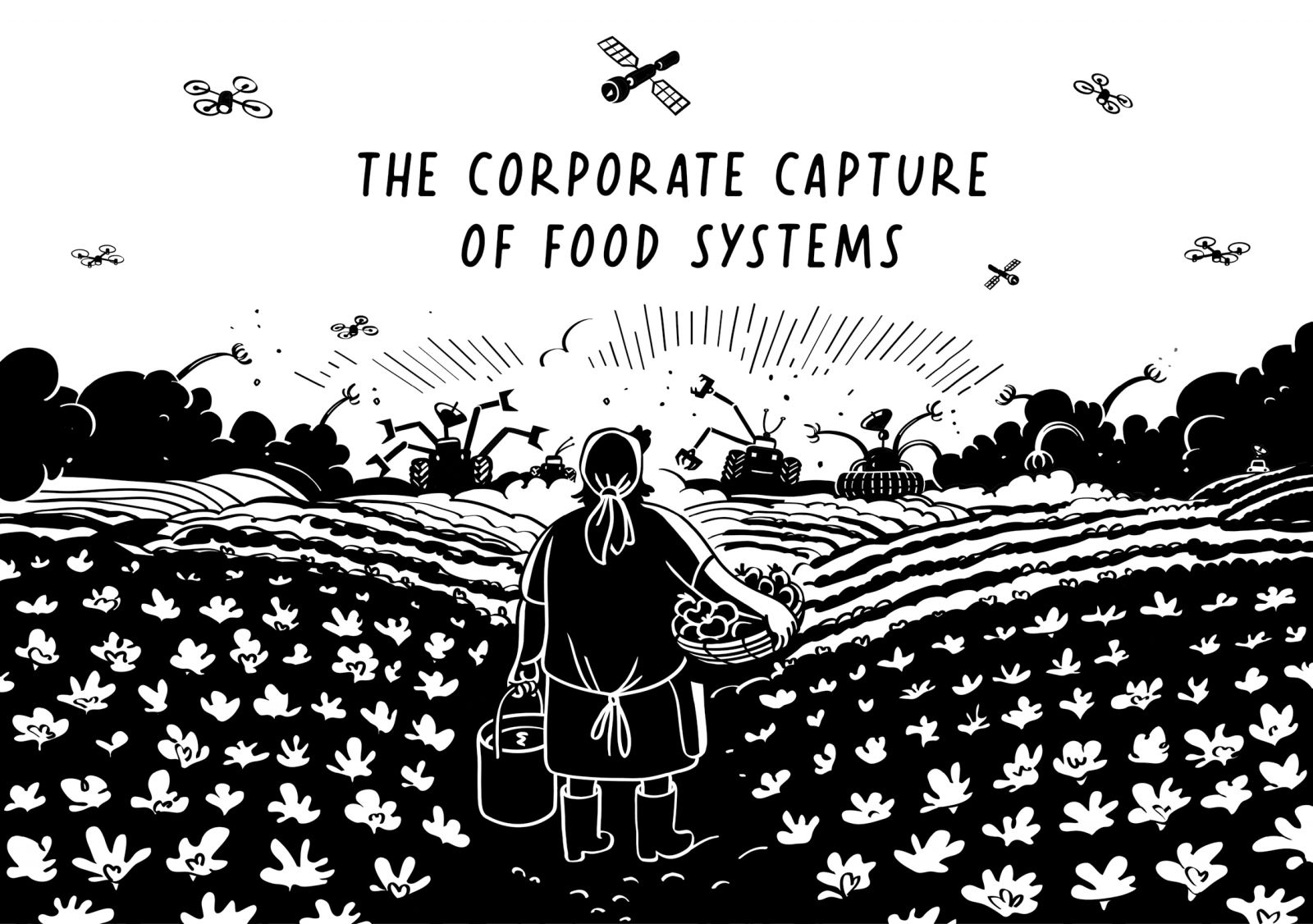
THE POTENTIAL RISKS OF GENETIC ENGINEERING IN AGRICULTURE (1)

THE RISKS POSED ARE AS FOLLOWS:-  

(1) Negative Health effects from new Allergens or Toxins  (1a) Environmental risks like the creation of “superweeds” and resistant pests,   (1b)Reduced biodiversity, and ethical concerns about interfering with nature. (1c) Concerns as to the potential risk as to antibiotic resistance from genetically modified organisms   (1d)(GMOs) and the long-term, unknown consequences of genetic modification on ecosystems and human health.

(2)Health & Safety Concerns:-

(2a)Allergic reactions: Genetic engineering could introduce new allergens into the food supply. 

(2b)Antibiotic resistance: Genes for antibiotic resistance from GM crops could potentially transfer to humans or animals, contributing to antibiotic resistance.

(2c)Unknown long-term effects: The long-term health impacts of consuming GM foods are not fully understood.

(2d)New toxins: Some genetically engineered crops could produce new toxins

(3)Environmental Risks:

(3a)”Superweeds” and “Superbugs”: Herbicide-resistant crops can lead to the development of herbicide-resistant weeds, and crops engineered to produce insecticides can lead to the evolution of pesticide-resistant insects.

(3b)Gene transfer: Genes from GM crops can spread to wild or weedy relatives through cross-pollination, creating new and potentially invasive plants.

(3c)Harm to non-target organisms: Pollen from some GM crops can be toxic to beneficial insects like the monarch butterfly.

(3d)Biodiversity loss: The promotion of monoculture and the spread of GM crops can lead to a reduction in crop biodiversity and impact the resilience of ecosystems.

(3e)Increased chemical use: Despite promises to reduce pesticide use, some GM crop systems can increase the use of chemical herbicides, leading to soil and water degradation.

(4)Ethical and socioeconomic concerns:-

(4a)Interference with nature: Some people have ethical objections to altering the genetic makeup of organisms.

(4b)Dependence on large companies: Genetic engineering can increase the dependence of developing countries on large seed companies, potentially giving them control over food production.

(4c)Loss of genetic diversity: The push for genetically uniform crops can lead to a loss of valuable traditional varieties.

(4d)Unpredictable interactions: Genetically engineered plants could have unforeseen interactions with the environment, potentially becoming invasive and displacing native species.


(5)Socio-Economic Risks (Issues) and Ethical Issues:-

(5a)Corporate control: The agricultural GE industry is highly concentrated, with a few large multinational corporations dominating the market for patented seeds. This dependence on patented seeds can limit farmers’ autonomy, reduce competition, and increase costs, raising concerns about food sovereignty.

(5b)Social inequality: The high cost of GE technology can exacerbate the gap between wealthy farmers and larger countries that can afford the technology and small-scale farmers and developing nations who cannot. Critics argue this further entrenches social inequality in the global food system.

(5c)Ethical concerns: Manipulating the genetic material of living organisms raises ethical questions for many people, especially those with certain religious or cultural beliefs. Public mistrust is a significant hurdle, fueled by misinformation and past controversies over the safety of GE products.

(5d)Genetic engineering (GE) in agriculture poses a range of socioeconomic risks for farmers, particularly affecting their market access, profitability, and independence (There are significant challenges)

6)Corporate Control and Farmer Independence:-

6a)Seed monopoly: A handful of large, multinational corporations dominate the market for genetically engineered seeds, creating a monopoly. For example, just four companies control about 60% of the global seed market, leading to increased seed costs.

6b)Patent restrictions: Farmers who purchase patented GE seeds are often legally restricted from saving seeds from their harvest for replanting the next season. This forces them to buy new seeds annually, locking them into a cycle of dependency on biotech companies.

6c)Liability and inspection: Seed contracts can grant companies the right to inspect farmers’ fields. In some cases, farmers have been sued for patent infringement when patented GE crops have appeared in their fields from unintentional gene flow, even though it was not their fault.


WakeUpNZ

RESEARCHER Cassie

...

GENE TECHNOLOGY GMO AND GE Blog Posts View all Categories

G E TECHNOLOGY – GMO FOODS. GENE TECHNOLOGY BILL NZ. ( REF: FDA INCLUDED)

TOXICITY: GE Foods are inherently unstable. Each insertion of a novel gene, and the accompanying ‘cassette’ of promoters *Antibiotic Marker Systems * Vectors is random. GE Food Producers simply do not know where their genetic ‘cassette’ is being inserted in the Food, nor do they know enough about the genetic/ chemical makeup of foods to establish a ‘Safe’ place for such insertions. As a result – each Gene Insertion into a food amounts to playing Food Safet Roulette with the companies hoping that the new genetic material does not destabilize a safe food and make it hazardous. Each genetic insertion creates the added possibility that formerly nontoxic elements in the food could become toxic.

FDA  WAS WELL AWARE OF THE GENETIC INSTABILITY PROBLEM: Prior to establishing their no-testing policy.  FDA scientists warned that this problem could create dangerous toxins in food and was a significant health risk.  The scientists specifically warned that the genetic engineering of foods could result in “increased levels of known naturally occurring toxicants, appearance of new, not previously identified toxicants, [and] increased capability of concentrating toxic substances from the environment (e.g., pesticides or heavy metals).”  These same FDA scientists recommended that long term toxicological tests be required prior to the marketing of GE foods.  FDA officials also were aware that safety testing on the first genetically engineered food, the Calgene Flavr Savr tomato, had shown that consumption of this product resulted in stomach lesions in laboratory rats.

FDA’s response to the potential toxicity problem with genetically engineered foods was to ignore it.  They disregarded their own scientists, the clear scientific evidence and the deaths and illnesses already attributed to this problem.  The agency refused to require pre-market toxicological testing for GE foods or any toxicity monitoring.  FDA made these decisions with no scientific basis and without public notice and comment or independent scientific review.  The agency’s actions can only be seen as a shameful acquiescence to industry pressure and a complete abandonment of its responsibility to assure food safety.

ALLERGIC REACTIONS:  The genetic engineering of food creates two separate and serious health risks involving allergenicity.  The first is that genetic engineering can transfer allergens from foods to which people know they are allergic, to foods that they think are safe.  This risk is not hypothetical. A study by the New England Journal of Medicine showed that when a gene from a Brazil nut was engineered into soybeans, people allergic to nuts had serious reactions to the engineered product.  At least one food, a Pioneer Hi-Bred International soybean, was abandoned because of this problem.  Without labeling, people with known food allergies have no way of avoiding the potentially serious health consequences of eating GE foods containing hidden allergenic material.

There is another allergy risk associated with GE foods.  These foods could be creating thousands of different and new allergic responses.  Each genetic “cassette” being engineered into foods contains a number of novel proteins (in the form of altered genes, bacteria, viruses, promoters, marker systems, and vectors) which have never been part of the human diet.  Each of these numerous novel proteins could create an allergic response in some consumers.  The FDA was also well aware of this new and potentially massive allergenicity problem.  The agency’s scientists repeatedly warned that genetic engineering could “produce a new protein allergen.”

 Once again the agency’s own scientists urged long-term testing.  However, the FDA again ignored its own scientists.  Because these foods were allowed to be marketed without mandatory testing for this kind of allergenicity, millions of unsuspecting consumers have continuously been exposed to a potentially serious health risk.  This FDA action is especially negligent in that the potential consequences of food allergies can include sudden death, and the most significantly affected population is children.

ANTI-BIOTIC RESISTANCE: Another hidden risk of GE foods is that they could make disease-causing bacteria resistant to current antibiotics, resulting in a significant increase in the spread of infections and diseases in the human population.  Virtually all genetically engineered foods contain “antibiotic resistance markers” which help the producers identify whether the new genetic material has actually been transferred into the host food.

FDA’s large-scale introduction of these antibiotic marker genes into the food supply could render important antibiotics useless in fighting human diseases.  For example, a genetically engineered maize plant from Novartis includes an ampicillin-resistance gene.  Ampicillin is a valuable antibiotic used to treat a variety of infections in people and animals.  A number of European countries, including Britain, refused to permit the Novartis Bt corn to be grown, due to health concerns that the ampicillin resistance gene could move from the corn into bacteria in the food chain, making ampicillin far less effective in fighting a wide range of bacterial infections.

Again, FDA officials have ignored their own scientists’ concerns over the antibiotic resistance problem.  Meanwhile, the British Medical Association (BMA) addressed this problem in its own study of GE foods.  The BMA’s conclusion was unequivocal: “There should be a ban on the use of antibiotic resistance marker genes in GM food, as the risk to human health from antibiotic resistance developing in microorganisms is one of the major public health threats that will be faced in the 21st century.”

IMMO-SUPPRESSION: The well-respected British medical journal, The Lancet, published an important study conducted by Drs. Arpad Pusztai and Stanley W.B. Ewen under a grant from the Scottish government.  The study examined the effect on rats of the consumption of potatoes genetically engineered to contain the biopesticide Bacillus Thuringiensis (B.t.).  Thescientists found that the rats consuming geneticallyaltered potatoes showed significant detrimental effects on organ development, body metabolism, and immune function.

The biotechnology industry launched a major attack on Dr. Pusztai and his study.  However, they have as of yet not produced a single study of their own to refute his findings.  Moreover, twenty-two leading scientists recently declared that animal test results linking genetically engineered foods to immuno-suppression are valid.

CANCER:  Along with its approval of GE foods, the FDA in 1993 also approved the use of genetically engineered recombinant Bovine Growth Hormone (rBGH), used to induce dairy cows to produce more milk.  At the time the FDA assured consumers that the milk was safe.  Since then, however, regulatory bodies in both Canada and Europe have rejected the drug, citing numerous animal and human health concerns.  Perhaps of most immediate concern for consumers is that research shows that the levels of a hormone called insulin-like growth factor-1 (IGF-1) are increased in dairy products produced from cows treated with rBGH.

The Canadians and Europeans further found that the FDA had completely failed to consider a study which showed that the increased IGF-1 in rBGH milk could survive digestion and make its way into the intestines and blood streams of consumers.  These findings are significant because numerous studies now demonstrate that IGF-1 is an important factor in the growth of breast cancer, prostate cancer, and colon cancer.

LOSS OF NUTRITION: Genetic engineering can also alter the nutritional value of food.  In 1992, the FDA’s Divisions of Food Chemistry & Technology and Food Contaminants Chemistry examined the problem of nutrient loss in GE foods.  The scientists involved specifically warned the agency that the genetic engineering of foods could result in “undesirable alteration in the level of nutrients” of such foods.  They further noted that these nutritional changes “may escape breeders’ attention unless genetically engineered plants are evaluated specifically for these changes.”  Once again, the FDA ignored findings by their own scientists and never subjected the foods to mandatory government testing of any sort.

LINK: (https://www.centerforfoodsafety.org/issues/311/ge-foods/ge-food-and-your-health)

WakeUpNZ    RESEARCHER: Cassie

...

NZ WIDE PROTEST HALT GE TECH BILL.. AUCKLAND Britomart/Waitemata Station Square Auckland City – 29TH NOVEMBER 12 – 2PM

CONCERNS ABOUT THE DANGERS OF GENETICALLY MODIFIED (GM) FOOD: Include the potential for new Allergens or Toxins to be created, unexpected Genetic Changes, and a decrease in Biodiversity.. Where some animal studies have suggested potential links to Health Problems like- Organ Damage * Immune Issues-.

SAFETY CONCERNS AND RSOME REVIEWS ‘ IT’S A MIXED BAG’ OF UNCERTAINITIES:  Some Reviews of GM Crops conclude they are generally safe. These concerns still remain and also other  concerns that  involve the Impact of Herbicide used on GM Crops and the possibility of less nutritious food and also Social Issues such as Corporate Control Over Seeds.

POTENTIAL HEALTH DANGERS:- Allergenicity and toxicity: There is a concern that introducing new genes could create new allergens or toxins in the food.  *Antibiotic resistance: Some GM crops use antibiotic resistance genes during the development process, raising concerns about contributing to antibiotic-resistant bacteria.

NUTRITIONAL CHANGES: Some studies suggest that GM foods may be less nutritious or have other undesirable nutritional changes.  *Animal study findings: Some animal studies have reported potential adverse health effects, such as organ abnormalities, immune system problems, and infertility.

POTENTIAL ENVIRONMENTAL AND SOCIAL DANGERS: Biodiversity: The widespread use of a few GM crops could lead to a decrease in crop biodiversity.  *Herbicide use: GM crops are often engineered to be resistant to specific herbicides, which can lead to increased herbicide use. The health effects of these herbicides, such as glyphosate, are a separate area of concern.

CORPORATE CONTROL (CAPTURE)  A significant social concern is that a few large companies own the patents for GM seeds, which can lead to a monopoly on the food supply and impact family farmers who cannot save seeds for replanting.

NEW UNEXPECTED EFFECTS AND HEALTH RISKS POSED BY GENETIC ENGINEERING: -Toxicity. Genetically engineered foods are inherently unstable.  *Allergic Reactions. … *Antibiotic Resistance. …*Immuno-suppression. …*Cancer. …*Loss of Nutrition

CHANGES IN HUMAN DNA: Research in 2009. Some Food Scientists noted that food DNA can survive as far as the gut, there have been concerns that this could affect the immune system. Others have also raised fears that eating GMO Foods could lead to Genetic changes in Humans

OPPOSITION TO GMO IN OTHER COUNTRIES ARE DUE AN EXTREMELY BROAD FIELD OF NUMEROUS RISKS: Which includes food safety and quality, health, the environment, the economy, society, biodiversity, geopolitics, ethics, and so on.

CONSUMERS HAVE NO WAY OF KNOWING WHAT FOODS ARE GENETICALLY ENGINEERED BECAUSE THE US FOOD AND DRUG ADMINISTRATION (FDA) Does not require the labelling of these products. They do not require any pre market Safety Testing of GE Foods. The Agency’s failure to Require Testing or Labeling of GE Foods has made millions of Consumers into Guinea Pigs…

THE FDA RESPONSE TO A LAWSUIT FILED BY THE CENTER FOR FOOD SAFETY: In 1998: Admitted in court that it had made  “no dispositive scientific findings,”  whatsoever about the Safety of Genetically Engineered Foods.

THE FDA HAVE GIVEN THE BIO-TECH INDUSTRY: Carte -blanche to Produce and Market any number of Genetically Engineered Foods they like without Mandatory Agency oversight or Safety Testing & without showing Scientific evidence these foods are safe to consume

SIX POTENTIAL HUMAN HEALTH CONCERNS:  G E Foods are different from other foods.  For the first time Foreign Genes  *Bacterial & Viral Vectors * Viral Promoters & Antibiotic Marker Systems  are engineered into Food.  These Genetic ‘cassettes’ are new to the Human Diet & should be subject to extensive safety testing.

1992 FDA RULES FOR GENETIC ENGINEERING WAS  WITHOUT ANY  SCIENTIFIC BASES: Stated that Genetically Engineered Foods present no different risks than Traditional Foods FDAs own scientists ridicules this unscientific agency view of genetic engineering. Where were the Scientific elements in FDA’s document? There were none. However FDA Scientists consistently state that “there is a profound difference between the  types of foods”. No difference between the types of unexpected affects from  Traditional Breeding & Genetic Breeding. (The Difference was never addressed)

What are the new “Unexpected Effects” and Health Risks posed by Genetic Engineering?  Toxicity  *. Allergic Reactions * Antibiotic Resistance  *Immuno-suppression  *. Cancer . Loss of Nutrition (LINK https://www.centerforfoodsafety.org/issues/311/ge-foods/ge-food-and-your-health)

WakeUpNZ.. RESEARCHER: Cassie

...