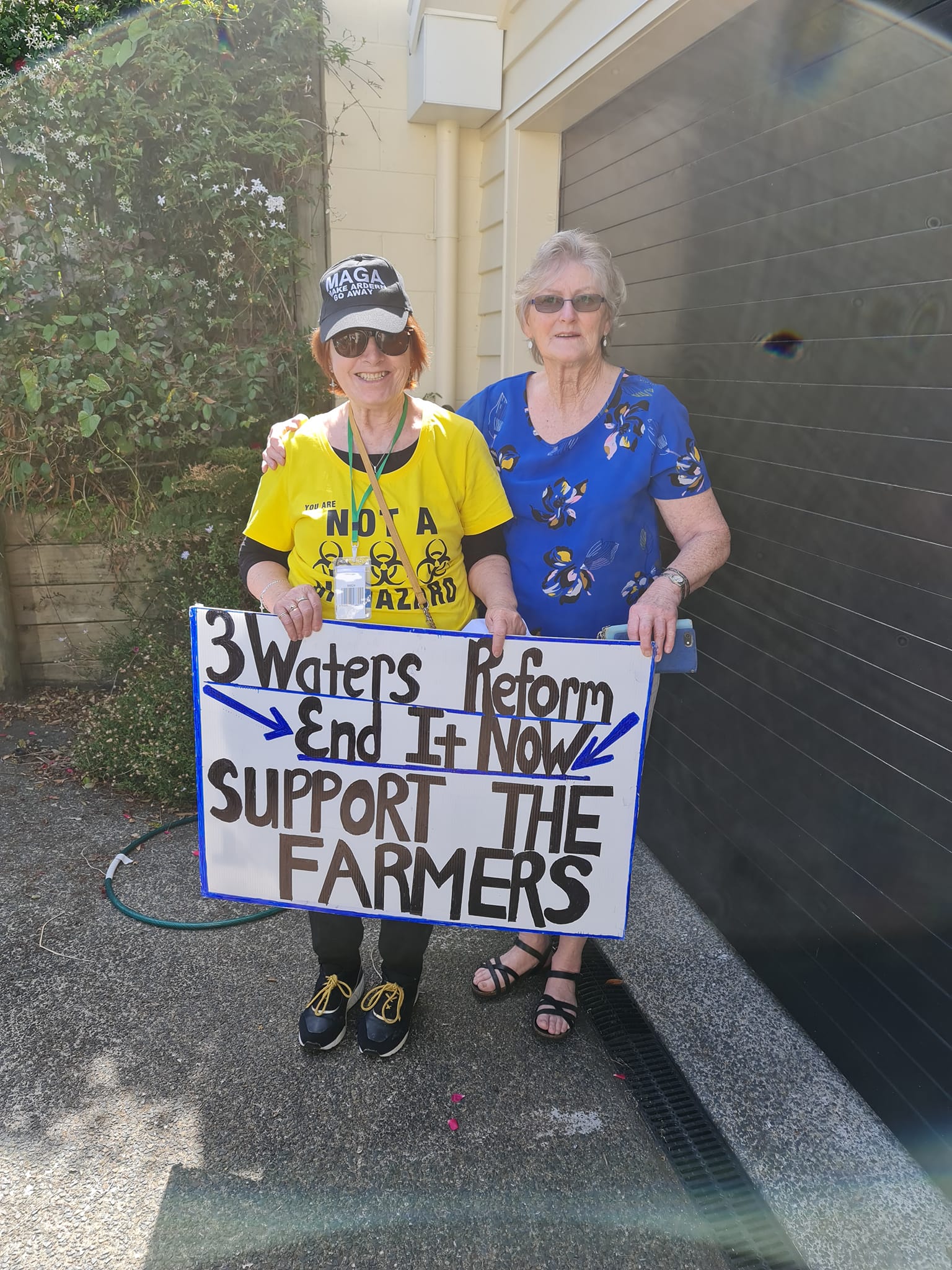
THE DANGERS OF THE GENE TECHNOLOGY BILL – WE MUST STAND UP AND CALL A HALT TO THE GENE TECHNOLOGY BILL BEFORE ITS TOO LATE ‘ PROTESTS TOMORROW NZ WIDE. KEEP NEW ZEALAND GE FREE. Make A Stand …

Replaces the 1996 Hazardous Substances and New Organisms Act. There is a reason why Genetic Engineering has been restricted to Containment Labs- because the potential serious risks if out in the environment. The Govts Health Committee received many thousands of submissions that have voiced serious concerns over the risks if this legislation is passed. Of course the Govt will tell  NZrs the Bill of passed will enable the safe use of Gene Technologies (Gene Editing) . There are most certainly serious risks to those farming crops that are GMO Free and Organic farming of Crops with cross pollination from GMO crops to other crops that are not GMO grown

The Health Select  Committee Review and Consultation Process reported back to Parliament 10th October 2025 recommending the Bill is passed with some amendments. However there is political uncertainty due to the lack of certainty within the current government. The Govts stated goal is to pass the Gene Tech Bill into legislation by the end of this year. If the Bill passes Royal Assent into Legislation NZs good reputation for GE Free and Organic farming could go down the toilet. This could also bring large Agri-tech and Bio-Tech companies to New Zealand, many of them have headquarters overseas, may well see NZ as a golden opportunity for expansion and more profit (An untapped test bed for Genetic Engineering). Eeem well I wonder what negative impact that would have on our Export Sector in NZ. (And the livelihoods of our Farmers and Growers)

Some people (Farmers in NZ) may remember the US Monsanto now Bayer and the genetically engineered Roundup Ready crops that were sold alongside glyphosate herbicide,  with more chemical use and no yield value.  NZ Farmers and Growers have been able to help each other out with seeds, however GE Seeds are patented this is how large seed companies make their big profits.. (Seeds and Fertilizers-herbicides) Only a few major corporations in the world have the world in their hands when it comes to selling seeds on the global markets.

There has been notable  serious opposition to GM Crops – food security- Safety when it comes to the health of Humans and Animals. NZs opposition to Genetic Engineering goes back to the 1970s when there was serious concerns about safety and contamination. In 1996 the Hazardous Substances and New Organisms (HSNO) Act was passed, creating the Environmental Risk Management Authority (ERMA) to strictly control all Genetic Modification activities

The NZ Royal Commission in year 2000 on Genetic Modification recommended that NZ should Proceed With Caution and Avoid Releasing GE Organisms into the Environment. Then came the very restrictive Containment Labs for GE Research in NZ. In 2014 The High Court ruled that Gene  Modification MUST stay Regulated. (As we must make sure it does stay Regulated. Then came the CornGate Scandal (GM Corn Seeds) that were suspected of contaminating crops in Gisborne and Pukekohe (Hence the Royal Commission on Genetic Modification)

But that wasn’t the end of it because there was also ‘Operation Pacific- Maize grown from imported seeds that tested positive for GE contamination. The containment was destroyed at the cost of $500,000. Just imagine how much more it could have potentially cost NZ when it comes to Health & Safety when it comes to our Food System – Health of Kiwi’s and our Domestic and Farm Animals. The Government cannot promise (guarantee Health & Safety of  the use of Genetic Modification (Genetic Engineering). Once the damage is done and GM cross pollination (contamination) happens the high risk is that it cannot be undone.

Reference to Prof David Williams, he was working on Gene Therapy at UCLA. He warned the farmers about the Gene Tech Bill saying it was based on false assumptions referring to precision and safety (Well documented ‘Off-Target Effects of CRISPR & other Gene Editing Tools) This included chromosomal deletions  & genomic instability). He also warned that loosening NZ laws could wipe out export premiums that farmers receive for GMO Free Livestock and Produce

Williams also warns that loosening New Zealand’s laws could wipe out the export premiums farmers receive for GMO-free livestock and produce. Once released GE Organisms into the environment they cannot be contained (Be recalled). There are no guarantees there will be no mutations in livestock.  We are totally reliant on the Soil for Everything, contaminating  the soil with these organisms is an extremely serious problem when it comes to Health-Safety- Food- Farmers Livelihoods and our Export Market. Let alone the feeding of our own population in NZ. Contaminations incidents have happened in other countries this has been common and very costly. GE Farming involves significant risks economically, environmentally and lets not forget Health Risks

Some of the risks are increased reliance on specific herbicides can lead to superweeds.. Insect resistant crops. Long term ecological impacts OF GE Organisms are not fully understood, therefore carries risks with unforeseeable consequences for the environment. There have been studies  that have raised concerns about the long term effects of consuming GE Foods this includes Liver and Kidney damage, immune system issues and increased risk of tumors

Consumer choice and transparency  and the deregulation of GE may well reduce transparency, making it difficult for consumers to identify, choose NON GE or Organic Products. There are concerns as to mutations in animals. Major concerns fall into the following categories- Environmental * ecological * Economic & Trade * Health-Safety-Social Risks. NZ has a good reputation for its Clean Green Image  this could be undermined by the widespread adoption of GE Farming, lead to lost Export Markets

How are Non GE and Organic Crop and  Non GE  Crop Farmers protected if there crops are contaminated by GE Organisms. There have been instances overseas where farmers with contaminated crops were sued by the patent holding corporation for intellectual property infringement. (Even though this was accidental). Oh yes, this is corporate control. GE Seeds often tie farmers into multinational corporations for seeds and chemical supplies causing a dependency on multinational corporations.

There have been safety studies  where there has been raised concerns about the potential long term effecrs of consuming GE Foods, including Liver & Kidney damade, immune system issues, increased risk of tumors  (Animal Study Research). Another serious concern is the removing of mandatory labeling for certain GE Foods, making it difficult for the consumer to identify GE Products. This limits choice by Non transparency

Will this also lead to the creation of GE Animals  this risks involving invasive procedure, a high rate of developmental; abnormalities, un anticipated welfare issues in cloned offspring. Of course there are ethical concerns when it comes to the manipulation of an organisms genetic makeup including those related to intellectual property (Patenting Life Forms) Playing with Nature… Eeem Those that Control the Food Control The People. (For me the everlasting NO Trust Bio Tech COVID- Experiments-)

NEW ZEALAND WIDE PROTEST TOMORROW.. SATURDAY 29TH NOVEMBER 12- 2PM KEEP NZ GE FREE. …See the Poster on my facebook for locations across NZ.

WakeUpNZ. Researcher Cassie


...

GENE TECHNOLOGY GMO AND GE Blog Posts View all Categories

POTENTIAL RISKS OF GMO FARMING NZ AGRICULTURE ‘Gene Technology Bill 2024’

Risks include Social & Ethical Issues. The High Cost of Patented GMO Seeds. Marginalizing Rural Farming Communities. Loss of Traditional practices of seed saving and exchange among farmers to keep costs down. Reduced Food Sovereignty in New Zealand. Risks to our Domestic Market also a potential risk to Exports and NZs Economy * Exportation of Crops * Horticultural * Dairy Products . Ignores the right for Farmers and Consumers to make their own choices not to be put at risk from the likelihood of ‘Cross Seed Pollination Flow’. The  GMO seed flow to Non-GMO Crops and Organic Farms, Human and Animal Health Risks. Contaminations and Toxins. Corporate Capture of Food Systems.

 A few  Multicorporations having dominant power over Seed Patents.  Market Concentration where a wave of Mega Mergers eventuate in agrochemicals this includes Giants such as  *Bayer (Which acquired Monsanto.  * Corteva a spinoff of (DowDupont)….. *Sygenta (Owned by ChemChina).

Dominant Bio-Tech Companies where Farmers are dependent on them for multiply products. Farmers that purchase these patented seeds also must buy the matching herbicide from the same corporation (Seeds and Chemicals). The High Costs because of the Corporate nature of GMO Farming. And the Risk of Cross pollination of crops. Some GMO Crops have been developed with ‘Terminator Technology’ this means the seeds are sterile after one growing season.. locking farmers into the cycle of seed dependency and the power of price manipulation. (Unfair Competition)  Reducing Farmers profit margin. The risks, threat from the passing of the Gene Technology Bill (2024) is huge.

Dangers of gene technology include potential health risks like unforeseen allergic reactions or toxins from new genetic combinations, and agricultural risks such as the development of herbicide-resistant “superweeds,” gene flow to wild relatives, and impacts on non-target species. There are also concerns about a lack of adequate regulation and labeling, the potential for large corporations to dominate the food supplies..Time and time again I have read reports documenting that its ‘CRUCIAL’ there is Long-Term Monitoring of Gene Therapy. And how there is a potential to harm Human, Animal & Plant Life for a variety of concerning reasons.

(https://www.ncbi.nlm.nih.gov/books/NBK424534/ ) (Unintended effects associated with the genetic-engineering process (for example, DNA changes resulting from plant tissue culture).

Human Health Effects of Genetically Engineered Crops. Some of the evidence available to the committee came from documents that were part of the U.S. regulatory process for GE crops conducted by the U.S. Environmental Protection Agency (EPA), the U.S. Department of Agriculture (USDA), and the U.S. Food and Drug Administration (FDA). Other evidence came from studies published by regulatory agencies in other countries or by companies, nongovernmental organizations (NGOs), and academic institutions. The committee also sought evidence from the public and from the speakers at its public meetings and webinars.1.. ”The Risk of GE crops is that the genetic-engineering process could cause “unnatural” changes in a plant’s own naturally occurring proteins or metabolic pathways and result in the unexpected production of toxins or allergens in food”.

Unintended effects of the targeted genetic changes on other characteristics of the food (for example, the intended presence of or increase in one compound in plant cells could result in changes in plant metabolism that affect the abundance of other compounds).  (Genetically Engineered Crops: Experiences and Prospects

United Nations – Playing with Genes..The Good, the Bad, and the Ugly. Moreover, there can be unintended health consequences of genetically modified crop production, including increased risks of contamination and loss of biodiversity. The downside risks can be even uglier. Genetic modifications can potentially lead to the production of “designer babies” and super-humans and fundamentally alter the human species. Genomic research can be weaponized to target and harm specific population groups. The legal, ethical and moral boundaries of using genetic technologies are increasingly unclear, creating opportunities for their misuse and abuse (https://policy.desa.un.org/sites/default/files/inline-images/eapd2023/publication/FTQ_May_2019.pdf)

WakeUpNZ

RESEARCHER: Cassie


...

THE RISKS OF GENE THERAPIES

The Potential  Risk of Gene Therapies  includes :- Potential for Allergic Reactions * Inflammation * Unknown Long Health Effects – Consequences * Concerns around the risks of Integrating Vectors. Hene Therapies can lead to Severe Health Problems. Long Term follow-up is Crucial

1)Long Term Risks of Integrating Vectors Gene Therapies include:- Insertional Mutagenesis leading to Secondary Malignancies * Immune Related Reactions * Persistent Infections. Although newer Vectors have been developed it is still reported that its crucial, essential for long term monitoring  * Insertional Mutagenesis: Integrating vectors can insert in or near genes that regulate cell growth, potentially causing uncontrolled cell growth and secondary cancers, as seen in early leukemia cases from some retroviral therapy trials

1a) Gene Disruptions: Integration can sometimes disrupt essential Genes or regulatory elements, leading to impaired Gene function  *Gene Editing Tools like CRISPA-Cas 9 can cause unintended modifications, such as Large Deletions or Chromosomal Rearrangements

2)There Are Also Immune Related Risks such as Autoimmune Reactions: where the body’s Immune System may recognize the Vector or the new Therapeutic Protein as Foreign thus triggering an Immune Response that can lead to Autoimmune like conditions also an

2a)Immune Suppression or Over-stimulation is a risk- where Immune Responses can be Unpredictable. In some cases the Immune Response can reduce the Therapy’s effectiveness or cause Systemic Inflammation

2b) Hypersensitivity can happen when introducing new Proteins from Gene Therapies, this can lead to hypersensitivity or, in rare cases, anaphylaxis.

3a)Viral/Bacterial Vector Risks: May include a ‘Persistent Infection as some Viral or Bacterial Vectors can cause persistent, long term infections, particularly in immune-compromised individuals.

3b)Re-Activation problems may occur as Vectors with a potential for Latency can Re-activate later thus leading to ‘Delayed Adverse Events’

3c) The Random Nature of Vector Integration can lead to other Genetic Errors beyond Oncogenesis, with unpredictable Long Term Consequences

4)Why is Long Term Monitoring Crucial? Because Permanent Changes can happen by Integrating Gene Therapies which are designed to provide Long Term or Permanent Therapeutic effects.. which is why the potential for unpredictable- delayed risks like Malignancy is a real concern…

5)Due to the potential for Serious Delayed Adverse Events – Long Term Follow-up is required to Monitor for these Risks  *Ongoing Research is critical for better understanding of these risks for developing much safer therapies. There are still many uncertainties.

6) Long-term gene control: For lifelong therapies, controlling the expression level of the integrated gene is critical, but this can be difficult to manage consistently over a patient’s lifetime.

7) Non-Integrating Vectors (Adeno- Associated Viral Vectors): AAV vectors deliver their genes as small, circular DNA molecules called episomes that stay in the cell nucleus – however:-

8)Pre-Existing Immunity can happen because AAV is common in the wild, many people have pre-existing antibodies that can neutralize the Vector, rendering the Therapy ineffective or causing Toxic Immune reactions. Acute Immunotoxicity is a risk although less immunogenic than some other Vectors, high dose Systemic AVV Therapy has been linked to Severe and sometimes Fatel Immunotoxicities eg :- Liver * Kidney and Heart Failure..* These adverse reactions are due to strong immune responses that can be difficult to predict or treat.

9)Dorsal Root Ganglion (DRG Toxicity): Some AAV serotypes can cause neurotoxicity in the peripheral nervous system, particularly when delivered intrathecally (into the spinal fluid).

10)Integration Risks: AAV Vectors can integrate into the Host at low frequency. Animal studies have occasionally linked this to the development of hepatocellular carcinoma, though this risk appears to be largely theoretical in human clinical settings.. There can be a risk of Transient Expression because Episomal DNA is not passed during Cell Division, the therapeutic effect can be diluted over time, particularly in tissues with high cell turnover.

11)The Long-Term Considerations For All Vectors:-

11a) Autoimmune reactions: The expression of a new protein by the vector could be misinterpreted as foreign by the immune system, potentially leading to autoimmune-like disorders.

11b) Infection and latency: Vector components from herpes viruses can have potential for latency and reactivation

11c) Patient monitoring: The long-term nature of these therapies necessitates long-term follow-up for treated patients to ensure safety, durability, and effectiveness. The FDA may require multi-year or multi-decade monitoring, especially for products with high integration activity or those intended for permanent effects.

12)WHAT IS A VECTOR IN GENE THERAPY?:  A Vector in Gene Therapy is a Delivery Vehicle used to Transport Therapeutic Genetic Material into a Patients Cells. The goal is to correct a defective gene, add a new one, or manipulate gene expression to treat or prevent a disease.

13)How do Vectors Work? Vectors are engineered to overcome the natural cellular barriers that prevent foreign genetic material from entering a cell. They act like tiny envelopes or packages, carrying their genetic payload to the target cells. Upon arrival, the vector unloads its cargo, which is then replicated and/or expressed to produce the desired therapeutic effect.

13a) What Types of Vectors are there?…. Vectors are broadly categorized into two main types: viral and non-viral…

13b) There are Viral Vectors:- These are modified viruses, stripped of their disease-causing genes and engineered to carry therapeutic genes instead. Viruses are highly effective as vectors because they have naturally evolved efficient mechanisms for infecting cells and delivering their genetic material. Common types include

13c) Lentiviruses and Retroviruses: Derived from viruses like HIV, these vectors are notable for their ability to integrate the therapeutic gene permanently into the host cell’s genome, allowing for long-term gene expression. Lentiviruses can target both dividing and non-dividing cells.

14)Adeno-Associated Viruses (AAVs) ..These are used widely because they are non-pathogenic (not known to cause disease) and have a low risk of triggering a strong immune response. They typically deliver genes as separate, non-integrating DNA molecules (episomes), which can lead to durable expression in long-lived, non-dividing cells.

15) Adenoviruses: Based on the common cold virus, these vectors can carry a large genetic payload and deliver genes to a wide variety of cells. The genetic material is not integrated into the host genome, leading to temporary expression.

16) Non-viral Vectors: These are artificial or synthetic delivery systems that avoid the potential safety issues associated with viruses. While often safer, they can be less efficient at delivering genes than viral vectors. Non-viral vectors include….

16a) Lipid Nanoparticles (LNPs): These are tiny, synthetic fat-like particles that can encapsulate genetic material like DNA or mRNA. This approach was famously used for the delivery of mRNA in COVID-19 vaccines.

16b) Physical methods: Techniques like electroporation and the “gene gun” use physical force, such as electrical pulses or pressure, to create temporary openings in the cell membrane, allowing genetic material to enter.

16c) Polymer-based vectors: Positively charged polymers can bind to negatively charged DNA, forming a complex that protects the genetic cargo and helps it enter the cell

17)What Is The Purpose of Using Vectors? Vectors are necessary for several key reasons in gene therapy. Vectors are used for Protection * Targeting *Overcoming barriers. For instance…..

17a)  (1)They protect the delicate genetic material from being degraded by the body’s enzymes before it can reach its target. (2) They can be engineered to Target specific Cell Types thus increasing the therapy’s precision and reducing potential side effects on healthy cells.  (3) When it comes to ‘Overcoming barriers they help the Genetic Cargo Cellular Barriers, such as the Cell Membrane and Nuclear Envelope to reach its Site of Action

18)CONCLUSION:  The Main Dangers Of Gene Therapy: Are a harmful immune response, the potential for causing cancer, and unintended side effects from gene delivery. While gene therapy holds immense promise for treating diseases, these risks underscore the need for careful vector design, patient screening, and long-term monitoring.

19)Several 2025 reports and events indicate that gene therapy, while making significant progress, continues to carry potential risks. Issues such as acute toxicities, adverse immune responses, and the complexities of long-term follow-up and manufacturing have been highlighted in clinical trial updates, regulatory guidance, and market analysis throughout the year.

20)Recent Clinical Trials have  underscored that severe, acute adverse events remain a risk for certain gene therapy products.. For Example- n 2025, regulatory and public attention focused on Sarepta Therapeutics’ approved Duchenne muscular dystrophy gene therapy, Elevidys. In July 2025, the FDA requested the suspension of all Elevidys distribution and placed a clinical hold on related trials after a third patient died, likely due to acute liver failure.

20a)Because of Vector-related issues: The fatal events for Elevidys were associated with the AAVrh74 vector, prompting the FDA to suspend its platform designation for that vector. This indicates that even with standardized vectors, severe and sometimes fatal toxicities can arise

20b)It was Highlighted in several 2025 Reports that Managing the Patients Immune Response to Viral Vector remains a Challenge…A presentation at the American Society of Gene and Cell Therapy (ASGCT) 2025 conference discussed a gene therapy for osteoarthritis. It noted that patients with pre-existing antibodies to the AAV vector showed less improvement than those without, demonstrating how prior immunity can limit treatment effectiveness.

20c)In a June 2025 Article Researchers noted that severe inflammatory reactions to viral proteins, which can lead to organ damage, remain a concern.  * Because gene therapies are often intended to produce permanent or long-lasting changes, the need for long-term monitoring is ongoing and complex.

21)Delayed Adverse Events – (A FDA Draft Guidance Document from January 2025).. emphasizes that patients in gene therapy trials may be at risk for undesirable outcomes that appear as delayed adverse events. Depending on the product, the guidance recommends monitoring subjects for up to 15 years.

22)Reference has been made to new Disease Patterns: At the World Federation of Neurology congress in October 2025, Professor Mary Reilly noted that as patients live longer, novel disease patterns may emerge, emphasizing the need to study the natural history of treated diseases.

23)The Evolving Regulatory Environment:- Regulatory bodies like the FDA are continually adapting their standards to balance innovation with patient safety, indicating that the landscape is not yet settled.

  24) Call for Stricter Standards: Throughout 2025, the FDA  has signaled stricter evidentiary standards for gene therapy approvals. The agency has been willing to extend review timelines to gather more long-term durability data before giving final approval

25)September and October 205 the FDA released a new draft guidance documents for Clinical Trials covering innovative trial designs for rare diseases and post-approval safety data collection for gene therapies. This shows an ongoing effort to address the unique challenges of gene therapy, rather than viewing the safety issues as fully resolved.

26)There is a Commercial and Investment Risk:

26a)Risk perception: A 2025 report from the consulting firm McKesson found that two-thirds of oncologists still view cell and gene therapies (CGTs) as “largely unproven,” and 66% say their patients see CGTs as “too experimental or risky”.

26 b)Cost and reimbursement: Insurers in 2025 have continued to demand more evidence to justify reimbursement for gene therapies, which, along with recent safety incidents, has contributed to a downturn in investment in the sector


WakeUpNZ

RESEARCHER: Cassie

...

G E TECHNOLOGY – GMO FOODS. GENE TECHNOLOGY BILL NZ. ( REF: FDA INCLUDED)

TOXICITY: GE Foods are inherently unstable. Each insertion of a novel gene, and the accompanying ‘cassette’ of promoters *Antibiotic Marker Systems * Vectors is random. GE Food Producers simply do not know where their genetic ‘cassette’ is being inserted in the Food, nor do they know enough about the genetic/ chemical makeup of foods to establish a ‘Safe’ place for such insertions. As a result – each Gene Insertion into a food amounts to playing Food Safet Roulette with the companies hoping that the new genetic material does not destabilize a safe food and make it hazardous. Each genetic insertion creates the added possibility that formerly nontoxic elements in the food could become toxic.

FDA  WAS WELL AWARE OF THE GENETIC INSTABILITY PROBLEM: Prior to establishing their no-testing policy.  FDA scientists warned that this problem could create dangerous toxins in food and was a significant health risk.  The scientists specifically warned that the genetic engineering of foods could result in “increased levels of known naturally occurring toxicants, appearance of new, not previously identified toxicants, [and] increased capability of concentrating toxic substances from the environment (e.g., pesticides or heavy metals).”  These same FDA scientists recommended that long term toxicological tests be required prior to the marketing of GE foods.  FDA officials also were aware that safety testing on the first genetically engineered food, the Calgene Flavr Savr tomato, had shown that consumption of this product resulted in stomach lesions in laboratory rats.

FDA’s response to the potential toxicity problem with genetically engineered foods was to ignore it.  They disregarded their own scientists, the clear scientific evidence and the deaths and illnesses already attributed to this problem.  The agency refused to require pre-market toxicological testing for GE foods or any toxicity monitoring.  FDA made these decisions with no scientific basis and without public notice and comment or independent scientific review.  The agency’s actions can only be seen as a shameful acquiescence to industry pressure and a complete abandonment of its responsibility to assure food safety.

ALLERGIC REACTIONS:  The genetic engineering of food creates two separate and serious health risks involving allergenicity.  The first is that genetic engineering can transfer allergens from foods to which people know they are allergic, to foods that they think are safe.  This risk is not hypothetical. A study by the New England Journal of Medicine showed that when a gene from a Brazil nut was engineered into soybeans, people allergic to nuts had serious reactions to the engineered product.  At least one food, a Pioneer Hi-Bred International soybean, was abandoned because of this problem.  Without labeling, people with known food allergies have no way of avoiding the potentially serious health consequences of eating GE foods containing hidden allergenic material.

There is another allergy risk associated with GE foods.  These foods could be creating thousands of different and new allergic responses.  Each genetic “cassette” being engineered into foods contains a number of novel proteins (in the form of altered genes, bacteria, viruses, promoters, marker systems, and vectors) which have never been part of the human diet.  Each of these numerous novel proteins could create an allergic response in some consumers.  The FDA was also well aware of this new and potentially massive allergenicity problem.  The agency’s scientists repeatedly warned that genetic engineering could “produce a new protein allergen.”

 Once again the agency’s own scientists urged long-term testing.  However, the FDA again ignored its own scientists.  Because these foods were allowed to be marketed without mandatory testing for this kind of allergenicity, millions of unsuspecting consumers have continuously been exposed to a potentially serious health risk.  This FDA action is especially negligent in that the potential consequences of food allergies can include sudden death, and the most significantly affected population is children.

ANTI-BIOTIC RESISTANCE: Another hidden risk of GE foods is that they could make disease-causing bacteria resistant to current antibiotics, resulting in a significant increase in the spread of infections and diseases in the human population.  Virtually all genetically engineered foods contain “antibiotic resistance markers” which help the producers identify whether the new genetic material has actually been transferred into the host food.

FDA’s large-scale introduction of these antibiotic marker genes into the food supply could render important antibiotics useless in fighting human diseases.  For example, a genetically engineered maize plant from Novartis includes an ampicillin-resistance gene.  Ampicillin is a valuable antibiotic used to treat a variety of infections in people and animals.  A number of European countries, including Britain, refused to permit the Novartis Bt corn to be grown, due to health concerns that the ampicillin resistance gene could move from the corn into bacteria in the food chain, making ampicillin far less effective in fighting a wide range of bacterial infections.

Again, FDA officials have ignored their own scientists’ concerns over the antibiotic resistance problem.  Meanwhile, the British Medical Association (BMA) addressed this problem in its own study of GE foods.  The BMA’s conclusion was unequivocal: “There should be a ban on the use of antibiotic resistance marker genes in GM food, as the risk to human health from antibiotic resistance developing in microorganisms is one of the major public health threats that will be faced in the 21st century.”

IMMO-SUPPRESSION: The well-respected British medical journal, The Lancet, published an important study conducted by Drs. Arpad Pusztai and Stanley W.B. Ewen under a grant from the Scottish government.  The study examined the effect on rats of the consumption of potatoes genetically engineered to contain the biopesticide Bacillus Thuringiensis (B.t.).  Thescientists found that the rats consuming geneticallyaltered potatoes showed significant detrimental effects on organ development, body metabolism, and immune function.

The biotechnology industry launched a major attack on Dr. Pusztai and his study.  However, they have as of yet not produced a single study of their own to refute his findings.  Moreover, twenty-two leading scientists recently declared that animal test results linking genetically engineered foods to immuno-suppression are valid.

CANCER:  Along with its approval of GE foods, the FDA in 1993 also approved the use of genetically engineered recombinant Bovine Growth Hormone (rBGH), used to induce dairy cows to produce more milk.  At the time the FDA assured consumers that the milk was safe.  Since then, however, regulatory bodies in both Canada and Europe have rejected the drug, citing numerous animal and human health concerns.  Perhaps of most immediate concern for consumers is that research shows that the levels of a hormone called insulin-like growth factor-1 (IGF-1) are increased in dairy products produced from cows treated with rBGH.

The Canadians and Europeans further found that the FDA had completely failed to consider a study which showed that the increased IGF-1 in rBGH milk could survive digestion and make its way into the intestines and blood streams of consumers.  These findings are significant because numerous studies now demonstrate that IGF-1 is an important factor in the growth of breast cancer, prostate cancer, and colon cancer.

LOSS OF NUTRITION: Genetic engineering can also alter the nutritional value of food.  In 1992, the FDA’s Divisions of Food Chemistry & Technology and Food Contaminants Chemistry examined the problem of nutrient loss in GE foods.  The scientists involved specifically warned the agency that the genetic engineering of foods could result in “undesirable alteration in the level of nutrients” of such foods.  They further noted that these nutritional changes “may escape breeders’ attention unless genetically engineered plants are evaluated specifically for these changes.”  Once again, the FDA ignored findings by their own scientists and never subjected the foods to mandatory government testing of any sort.

LINK: (https://www.centerforfoodsafety.org/issues/311/ge-foods/ge-food-and-your-health)

WakeUpNZ    RESEARCHER: Cassie

...

NZ WIDE PROTEST HALT GE TECH BILL.. AUCKLAND Britomart/Waitemata Station Square Auckland City – 29TH NOVEMBER 12 – 2PM

CONCERNS ABOUT THE DANGERS OF GENETICALLY MODIFIED (GM) FOOD: Include the potential for new Allergens or Toxins to be created, unexpected Genetic Changes, and a decrease in Biodiversity.. Where some animal studies have suggested potential links to Health Problems like- Organ Damage * Immune Issues-.

SAFETY CONCERNS AND RSOME REVIEWS ‘ IT’S A MIXED BAG’ OF UNCERTAINITIES:  Some Reviews of GM Crops conclude they are generally safe. These concerns still remain and also other  concerns that  involve the Impact of Herbicide used on GM Crops and the possibility of less nutritious food and also Social Issues such as Corporate Control Over Seeds.

POTENTIAL HEALTH DANGERS:- Allergenicity and toxicity: There is a concern that introducing new genes could create new allergens or toxins in the food.  *Antibiotic resistance: Some GM crops use antibiotic resistance genes during the development process, raising concerns about contributing to antibiotic-resistant bacteria.

NUTRITIONAL CHANGES: Some studies suggest that GM foods may be less nutritious or have other undesirable nutritional changes.  *Animal study findings: Some animal studies have reported potential adverse health effects, such as organ abnormalities, immune system problems, and infertility.

POTENTIAL ENVIRONMENTAL AND SOCIAL DANGERS: Biodiversity: The widespread use of a few GM crops could lead to a decrease in crop biodiversity.  *Herbicide use: GM crops are often engineered to be resistant to specific herbicides, which can lead to increased herbicide use. The health effects of these herbicides, such as glyphosate, are a separate area of concern.

CORPORATE CONTROL (CAPTURE)  A significant social concern is that a few large companies own the patents for GM seeds, which can lead to a monopoly on the food supply and impact family farmers who cannot save seeds for replanting.

NEW UNEXPECTED EFFECTS AND HEALTH RISKS POSED BY GENETIC ENGINEERING: -Toxicity. Genetically engineered foods are inherently unstable.  *Allergic Reactions. … *Antibiotic Resistance. …*Immuno-suppression. …*Cancer. …*Loss of Nutrition

CHANGES IN HUMAN DNA: Research in 2009. Some Food Scientists noted that food DNA can survive as far as the gut, there have been concerns that this could affect the immune system. Others have also raised fears that eating GMO Foods could lead to Genetic changes in Humans

OPPOSITION TO GMO IN OTHER COUNTRIES ARE DUE AN EXTREMELY BROAD FIELD OF NUMEROUS RISKS: Which includes food safety and quality, health, the environment, the economy, society, biodiversity, geopolitics, ethics, and so on.

CONSUMERS HAVE NO WAY OF KNOWING WHAT FOODS ARE GENETICALLY ENGINEERED BECAUSE THE US FOOD AND DRUG ADMINISTRATION (FDA) Does not require the labelling of these products. They do not require any pre market Safety Testing of GE Foods. The Agency’s failure to Require Testing or Labeling of GE Foods has made millions of Consumers into Guinea Pigs…

THE FDA RESPONSE TO A LAWSUIT FILED BY THE CENTER FOR FOOD SAFETY: In 1998: Admitted in court that it had made  “no dispositive scientific findings,”  whatsoever about the Safety of Genetically Engineered Foods.

THE FDA HAVE GIVEN THE BIO-TECH INDUSTRY: Carte -blanche to Produce and Market any number of Genetically Engineered Foods they like without Mandatory Agency oversight or Safety Testing & without showing Scientific evidence these foods are safe to consume

SIX POTENTIAL HUMAN HEALTH CONCERNS:  G E Foods are different from other foods.  For the first time Foreign Genes  *Bacterial & Viral Vectors * Viral Promoters & Antibiotic Marker Systems  are engineered into Food.  These Genetic ‘cassettes’ are new to the Human Diet & should be subject to extensive safety testing.

1992 FDA RULES FOR GENETIC ENGINEERING WAS  WITHOUT ANY  SCIENTIFIC BASES: Stated that Genetically Engineered Foods present no different risks than Traditional Foods FDAs own scientists ridicules this unscientific agency view of genetic engineering. Where were the Scientific elements in FDA’s document? There were none. However FDA Scientists consistently state that “there is a profound difference between the  types of foods”. No difference between the types of unexpected affects from  Traditional Breeding & Genetic Breeding. (The Difference was never addressed)

What are the new “Unexpected Effects” and Health Risks posed by Genetic Engineering?  Toxicity  *. Allergic Reactions * Antibiotic Resistance  *Immuno-suppression  *. Cancer . Loss of Nutrition (LINK https://www.centerforfoodsafety.org/issues/311/ge-foods/ge-food-and-your-health)

WakeUpNZ.. RESEARCHER: Cassie

...