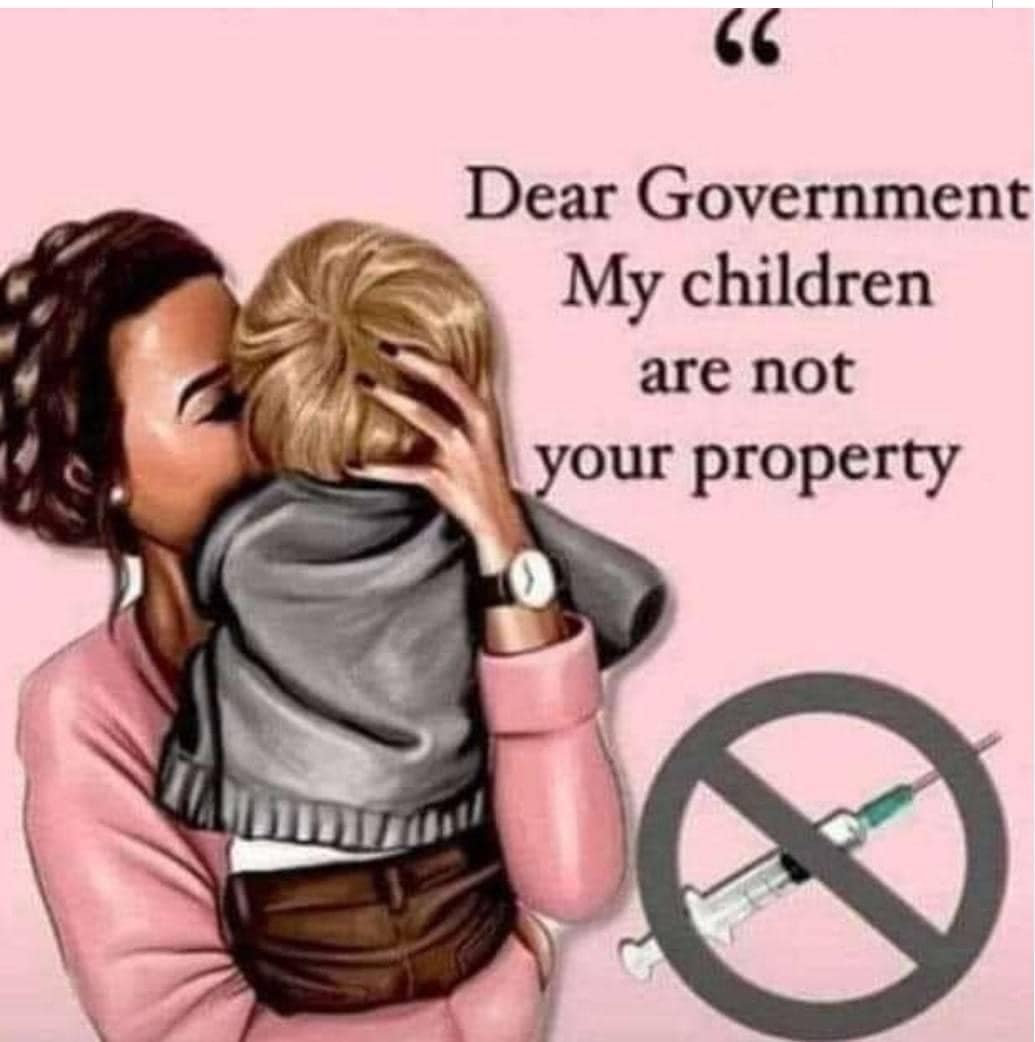
Traitors of Sovereign Peoples: NZ Government (Corporation) deliberately neglected to seek acceptance from the peoples of New Zealand. The peoples of whom are the Sovereign of our Nation of New Zealand when they agreed, committed to UN/WEF global agenda’s of demands and compliances. For example – UN Agenda 21, UN Agenda 2030. The Paris Agreement, UN Global Compact of Migration etc., NZ Govt is a party to approx.., 1900 UN Global Agreements. Many are non-binding but does mean country leaders are not committed to them. Once entered into Domestic Law a Non-Binding UN Agreement becomes Binding and lawfully effective. These UN Agenda global agreements are known as ‘soft law’, do not require parliamentary consensus or permission from parliamentarians only by key persons such as Government leaders.
Soft Law: Reinforces existing international law globally. Soft Laws drive the development of international law, ;lays down the groundwork for codification constitutes new customary law. Soft Law norms do not need parliamentary approval. Soft Law depends on the acceptance rather than judicial enforcement. Soft Law and Compliance go hand in hand as does obligations, monitoring mechanisms. Peer pressure groups, individual are important motivators, as are young people as they take part in Schools Climate Change Strike, where student s are taught how to make their climate doom and gloom propaganda boards. Bill and Melinda Gates organized a Global Shapers gathering, Ardern was the guest speaker, it was here she boasted to the audience that NZ was the first country in the world to enter UN Agenda 2030 into govt policy and urged other countries to do the same ‘to follow Ardern’s lead’. Govts favour ‘soft law’ because it allows agreement on content beyond consensus. UN Agenda 2030 preamble states ‘Human Rights For All’, however this is a huge fallacy. The global implementation of UN Agenda 2030 includes a massive invasion of privacy, discrimination and corruption worldwide also severe violations of human rights and civil liberties. 193 UN Member States pledged to ensure their commitment to the implementation of Agenda 2030 17 global Development Goals which include 169 Targets
Global Corporate Capture: UN Agenda 2030 is a very wordy document focuses on implementing global partners (UN Member States partnering large companies- corporations). People centred-PPPs =People, Planet for Profit.. Wealth for the already very rich few. Agenda 2030 includes 5 Ps..People, Planet, Prosperity, Peace and Partnership. Agenda 2030 repeatedly references the ‘Financing for Development Outcome Document’, a major part of Agenda 2030 Action Plan to achieve the SDGs (Targets). Replacing ‘greenwashing and blue-washing with rainbow washing
Impossible To Action: In reality UN Agenda 2030 168 targets within the 17 global development goals are impossible to action as this means re-engineering everyone’s mindset, behaviour and evil regimes will never stop purposely and most deliberately keeping their populations poor and hungry. Wars make huge wealth. Evil and Godlessness is rampant. Equality is a bloody great lie. Population resources have been regulated and many restricted for many decades. This will get much worse as UN Agenda 2030 is obsessively implemented. Restricting, regulating people equals a much lower standard of living.
UN Agenda’s Global Pathway: We are in the midst of being accelerated to meet the goal timeline of 2030. In 2018 UN recognized that they could not succeed in meeting their deadline of 2030 for Agenda 2030 so they signed a strategic official partnership agreement with the World Economic Forum representative of Corporate Capture (Multi-stakeholder Corporate Capitalism), hence the acceleration of implementation of UN Agenda 2030 world wide through ‘Public-Private Partnerships’. Corporates on the accelerator pedal driving UN Agenda 2030 vehicle, government and their cohorts the backseat passengers and the sovereign peoples of New Zealand, small businesses, farming communities (farmers) being the road kill. All Political Cronies On The Same Page: Why do we know this? They have not shared and asked the sovereign peoples of New Zealand for their permission to re-engineer our lives, our economies to politicize, sexualize our children.-.Why? Because they know we wil say NO NO NO NO and you bastards will GO . They have not listened to our sovereign peoples serious concerns. They deliberately ignore our Human Rights and Civil Liberties. It’s my personal opinion that we the Sovereign Peoples of New Zealand are being ruled by liars, crims, cheats and traitors.
Public-Private Partnerships: New Zealand Government with Iwi Elite is already happening. (Fresh Water Iwi Group Leaders- National Iwi Group Leaders). Partnership with Blackrock and Vanguard and other Global Corporations. Blackrock asset manager of NZ Superannuation Fund. Blackrock partnership with Kiwi Bank, both government owned. Blackrock invested Superfunds into weapons and chemicals when Ardern introduced the ‘Buy Back of Firearms’ the government then halted the Blackrock investment into weapons. Non-transparency of NZ Authoritarian regime means we can never trust them to implement ‘public good’ or the common law of the sovereign peoples of New Zealand ‘Firstly ‘Do No Harm’. They have done immense harm to the sovereign peoples of NZ. Have no conscience, show no shame consequently will do anything they choose to do. Hence Corporate Capture and the plundering of New Zealand.
Financial: Digital Corporate Capture. Blackrock already owns more wealth than the World Bank and the IMF. Central Bank Digital Currency. Digital Wallets. Cashless Society. Digital capture and control people. The richer become much richer and the poor become poorer. Again Corporate capture and controlling of peoples lives, re-engineering behaviour and society. See UN Agenda 2030 ‘Financing for Development Outcome’. Expanding taxation. A progressive tax system, broaden tax base, set domestic target & timelines as part of the SDG Agenda 2030 strategies support for developing countries. Increased empowerment of IMP and World Bank to access financial information. The sharing of information through financial institutions and third parties. Privacy no longer exists -your life in their hands. Blackrock partners Kiwi-bank and other major banks in New Zealand. Financing of UN Agenda 2030 Global Development Goals (169 Global Development Targets.): Information sharing, significantly restrictive regulations and increased policies. Access more information from financial services. Financial services increase sharing peoples personal information with third parties. Government -Corporations have access to peoples personal information. Financial institutions share your personal information. Strengthen regulatory frameworks to be aligned with UN Agenda 2030 so these practices can implement, adopt Agenda 2030 strategies. Note: Clean energy includes footing the bill for $100 billion to promote public service & private investment in energy infrastructure-technology & renewables.
Migration: Grow inclusive services for migrants in their host countries, countries of origin and transit destination countries as to the implementation of UN Agenda 2030. Ensure adequate affordable finance for migrants in their host and home country. (This appears to replicate UN Global Compact Of Migration signed by NZ in Dec 2018). Climate Refugees flood across the world, the gap caused by the depopulation of host countries will be filled by refugee’s, migrants hence sovereign states will cease to exist.
Corporate Capture: Economic degrowth. Destruction of small businesses and farming. International laws increase as National laws decrease. Sovereignty will cease to exist as Friedrich Engels predicted “the withering away of the state in the wake of socialism”. At a meeting of the ‘Global Futures Councils’ the gathering focused on the worlds political landscape in 2030, it was said
Degrowth: UN Agenda 2030 the degrowth of New Zealand’s small businesses and rural farming. The corporate capture of New Zealand. National laws and sovereignty will cease to exist. Friedreich Engels predicted the “withering away of the state” in the wake of socialism. At an annual meeting of the ‘Global Future Councils’, it was said that the worlds political landscape in 2030 will look somewhat considerably different from the present one.
Housing: Mega Cities: Greater surveillance, increased influence and more power of the people. High density city-urban living increases as does people isolation and working from home hence many more suicides. People living in pack & stack apartments not domestic pet friendly, not child friendly.
Transport: Walk, cycling, E scooters, Electric cars, Uber, share rides and public transport hence becoming dependent on public services.
Employment: Ardern in her trip to Europe in 2018 referred to New Zealand and Germany having 45% unemployed within the next 20years. Four day working week. Working from home. Will significantly crush personal innovation, goals and initiatives, incentives. Uncertainty and instability.
Food & Water: Water continues to be sold on the world’s stock market. Water restrictions and regulations increased, monitored. Control of all water and food by corporate capture. C40 cities increase worldwide planned dietary intake. Central Bank Digital currency controlling what people purchase and the services they use eg., food, travel, what you do and whom you meet with the food controlled worldwide by Nestles, Coca Cola, Blackrock, Vanguard, Bill Gates etc., this path has already started.
Law: Huge increase in crime. People become a law unto themselves. Domestic laws will be replaced by global laws as all peoples will become global citizens of the world (Global Citizenship) Again Corporate capture. Increased political control via political policing. UN Agenda 2030 equates to the Decade Of Action which also is in collaboration with IA Immunization 2030 ‘To leave no-one behind, everyone, everywhere at every age’. Depopulate and Degrowth.
These UN Agenda 2030 Goals as listed:- Goal 1. End poverty in all its forms everywhere. – Goal 2. End hunger, achieve food security and improved nutrition and promote sustainable agriculture. Goal 3. Ensure healthy lives and promote well-being for all at all ages. Goal 4. Ensure inclusive and equitable quality education and promote lifelong learning opportunities for all. Goal 5. Achieve gender equality and empower all women and girls. Goal 6. Ensure availability and sustainable management of water and sanitation for all. Goal 7. Ensure access to affordable, reliable, sustainable and modern energy for all. Goal 8. Promote sustained, inclusive and sustainable economic growth, full and productive employment and decent work for all. Goal 9. Build resilient infrastructure, promote inclusive and sustainable industrialization and foster innovation. Goal 10. Reduce inequality within and among countries. Goal 11. Make cities and human settlements inclusive, safe, resilient and sustainable. Goal 12. Ensure sustainable consumption and production patterns. Goal 13. Take urgent action to combat climate change and its impacts. Goal 14. Conserve and sustainably use the oceans, seas and marine resources for sustainable development. Goal 15. Protect, restore and promote sustainable use of terrestrial ecosystems, sustainably manage forests, combat desertification, halt and reverse land degradation and halt biodiversity loss. Goal 16. Promote peaceful and inclusive societies for sustainable development, provide access to justice for all and build effective, accountable and inclusive institutions at all levels. Goal 17. Strengthen the means of implementation and revitalize the global partnership for sustainable development.
FEAR MONERING IS THEIR WEAPON OF DESTRUCTION-Psychological warfare. One Crisis after another is being played out on a global scale. Fear leads to compliance and slavery of populations. They are scaring your children with Climate Doom and Gloom, the making of fearful placards at schools as to climate doom and gloom. Schools strike for Climate Emergency. UK Health Mental Healthy Services reference ‘Eco Anxiety’ and children’s nightmares as to climate alarmism. CDC publication of a book with monsters hidden everywhere refencing the COVID19 Pandemic. The alerting signs, images are everywhere. Children who are 5 years old and first attending school will no nothing but crisis and fear, facial masks and isolation. Elderly people in nursing homes waiting for loved ones to visit. Funerals cannot be attended by all family members, friends and loved ones. Bodies of loved ones cremated where this was not a loved ones wishes. Gates to crematoriums, graveyards were locked. Imprisoned within borders. Traditions and cultures deliberately ignored. Peaceful Assembly and publicly opposing the governments narrative equated to character assassination by the govts purchased propaganda machine, house arrests, court appearances, huge fines. (Heil Hitler in NZ -Goebbels censorship). Increased violent political policing. My own personal thoughts are “ All these fearmongering crisis strategies to control people are being used to implement, action UN Agenda 2030 Global Development Goals worldwide”. Is UN Agenda 2030 the driving force behind COVID19 Pandemic?
UN Agenda 2030 introduced globally: Actioned, implemented locally. Population control . Technocracy. Resource Management, Destruction of the Free-market economy to replace the Free-market economy with the ‘corporate capture’ of multi-stakeholder corporate capitalism. The rich become richer, the poor become poorer and the middle income drop down to the poor class. This is a Marxist Class system, a Two Tier Society. The Jabbed and Un-jabbed. The Slave drivers and the Slaves. The compliant and the non-compliant, however comply or not you are still being controlled. There is no getting out of jail free card. Police State. End of Sovereign Nations. Destruction of Human Rights and Civil Liberties. Social re-engineering of people minds, behaviours to be compliant to UN Agenda 2030 strategies. (UN/WEF and UN Member Nation Authoritarian Regimes)
Transforming Our World: Implemented, actioned by a global ruling class namely the ‘Great Reset’ has been planned for decades, the foot is on the accelerator now. Technocratic dehumanization, transhumanism we must STOP this from happening. Every crisis is a key strategy. This is not a conspiracy theory, they are so confident its well published all over the world. Its in your face, they are not hiding it, its no secret. The Sovereign peoples of New Zealand must hold those responsible to account, every MP that resides behind the political doors of the toilet bowl in Wellington. They ALL have full knowledge as to the deliberate harm being caused and will continue to be caused to our Sovereign Nation New Zealand, yet they continue down this road without conscience or shame. This deceptive fearmongering of vulnerable people and children, of the aged and the disabled. The deliberate destruction of traditions and cultures to replace them with a UN/WEF New Normal. Red, Blue, Green-Maori Party, Green Party, Labour and National Parties I personally believe are traitors of the Sovereign People of Our Nation. (All New Zealanders). They have deliberately actioned a divide and conquer, institutionalized racism with a Marxism Class ideology strategy. A Gender Diversity of Rainbows and Unicorns. A deliberate targeting of Males. UN Association Porthole for Education used by teachers to teach your children. Eg: Depopulation. A Stock carrying a baby in a nappy in its beak flying around the globe, is about to land on earth, however flames appear from the earth so the stork flys away with the baby still in its beak. Message: The world’s too dangerous to give birth to more children-depopulate.
UN Agenda 2030 JABS: 14 of the 17 Global Development goals include Immunizations, vaccinations.
Depopulation: Rockefeller Population Council collaborated with International Planned Parenthood Federation (History of Eugenics and Socialism) is affiliated with NZ Family Planning Services. (Largest Abortion Org., worldwide was accused of selling foetuses) . Eugenics is an ideology the global ruling class adheres to, supports and promotes. Replacement population rate for New Zealand is 2.1 we currently sit at 1.6
New Zealand Tax-payers: Donate to UN Agencies and their strategies. Because UN/WEF strategic partnership they also donate to WEF also. Auckland City Council Website publish the promotion of the WEF. Central and Local Government are executing the strategies of UN/WEF SDGS & Targets. Sustainability is a global advertising pun. Smart technology relates to the strategies used to accelerate UN Agenda 2030. Technocracy is the science of social engineering. The focus is on Resource Management and Population Control. The theory of Malthusian (Marxist).
Resource Management Act: Is high regulated and will become much more so. This is a technocratic governance system to control peoples diets, the way they live. Behaviour re-engineering. Auckland C40 Global City includes global dietary plan- more plant based foods and much less meat. All Local Councils implementing the measuring of our carbon footprint to change our behaviour (travel, food, energy etc.,) Equates to the New Normal – The Great Reset- UN Agenda 2030 Global Development Goals to transform all life on this planet by means of Corporate Capture and slavery.
Socialism- Communism: Are bed partners. Mahuta and her mystical taniwha friendship with the CCP Red Dragon.
Self Empowerment: Solutions include self-empowerment, you cannot walk in another’s shoes. A valuable source of information, knowledge walking alongside like minded people. Spread the truth. Do your research. The truth is out there. Live your inner truth. Be aware but not fearful of digital censorship, fear is a number one killer. Note the medical tyranny and serious violations of Human Rights. Reject vaccine certification and vaccine passports. Use cash where-ever possible. Reject digital wallet. Reject new smart meters. Be aware that Smart TVs have an invisible camera within them, if you do not turn it off it can be hacked through the use of Netflix. You have been listened to and viewed in your own private home. (Have already experienced this hacking). Do not take part in COVID19 tests or COVID19 jabs. Do not trust this government (regime). I urge you to gain Moral Courage.
Electioneering: Vocally push for ‘Citizens Initiated Binding Referendums’ and a Constitution set in concrete for the Sovereign Peoples of New Zealand-ALL New Zealanders this election year. When you hear an MP call for a referendum remember there is no binding referendum for the people of NZ therefore the government (regime) will always have the last decision making rights. Break the cycle of Red, Blue, Green and Maori Party. Support and encourage minor freedom fighting parties who are speaking out publicly about the tyranny that exists in New Zealand (Parties that come together under one umbrella).
Yet another fear mongering strategy: The pandemic is not going away. New variants a new crisis and the shite goes on. The propaganda machine -many more people are dying of COVID19.
DEBUNKING THIS FEAR MONGERING PROPAGANDA- Here is the Truth:-The World Health Organization last year requested all UN Member Nations to classify COVID19 deaths in alignment with them. 10th March 2022 NZ Government enacted that ‘Any person who had a COVID19 positive test, if they died within a month of that test they are then counted as a COVID 19 death. This window of time can be extended. In the UK it has been extended in some cases to 60 days. Therefore other deaths such as suicide and post jab deaths etc., are hidden. Remember the man that was shot by police in New Lynn Auckland, the propaganda machine called this a COVID19 death.
Arderns Global Christchurch Call: Is this all part and parcel of the strategy to implement UN Agenda 2030. (Gun Buy Back Scheme) and Hate Speech- Censorship
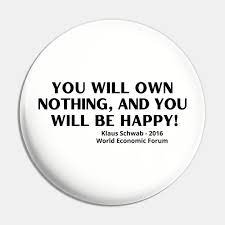
The UN Global Compact of Migration signed by Winston Peters December 2018: Is this all part of UN Agenda 2030 strategy to rid us of our sovereign nation in favour of globalization (global citizenship) ? WEF Klaus Schwab stated that ‘sovereign nations’ will no longer exist.
Ardern’s Climate Emergency- Climate Refugee’s in host countries.. is this also a crucial part of implementing UN Agenda 2030 ?.
Central Bank Digital Currency- Is this all part of implementing UN Agenda 2030.
The Replacement of the Resource Management Act into 3 New Legislations. Three Waters, He Pua Pua are these all part of the strategy to implement UN Agenda 2030 development Goals?
The mandating of COVID19 jabs. Arderns purchasing enough jabs for 2 shots in the arm for every New Zealander- man, woman and child. Is this a crucial part of the action plan to implement UN Agenda 2030 (SDGs 14 of the 17 relate to jabs) IA 2030 Global Strategy of Inoculation-Vaccination. 2020-2039 The Decade Of Action.
The Therapeutics Products Bill. Strictly regulate Natural health products. Significantly increase off label medicines drugs across New Zealand. Note off label drugs are unapproved drugs and medicines. COVID19 jab number four was not approved by Medsafe was an off label drug. Off label drugs can only be given to a limited number of people. Pfizer-Moderna had stated that each country, state would have to seek their own approval system for authorizing the jabs.
Increased political policing and violence: At Parliamentary grounds was this part of UN Agenda 2030 strategy to control people’s voices and actions.. compliance and control ?
Targeting Farmers: No Farmers No Food. Those that control the food control the people, the same applies to fresh water. Is this also a critical part of UN Agenda 2030 strategy?
WAKE UP NEW ZEALAND NOW. Our Sovereign nation of people (New Zealanders) are under attack from the MPs that you voted in.
...